Top Tips for Building a Prefab Container House for Your Needs?
Building a Prefab Container House can be an exciting journey. These homes are versatile and cost-effective. They offer a unique living experience. However, planning is key to success.
Consider your specific needs before starting. Are you looking for a cozy retreat or a family home? The layout is crucial. You may need open spaces or separate rooms. Choosing the right design can be overwhelming. It’s essential to look at various styles and functionalities.
Don’t forget about zoning laws and permits. Mistakes can lead to delays. A well-thought-out foundation is also critical for stability. Remember, while the idea seems straightforward, execution can be complex. It's a process filled with decisions that will shape your future living space.
Understanding Prefab Container Houses: Basics and Benefits
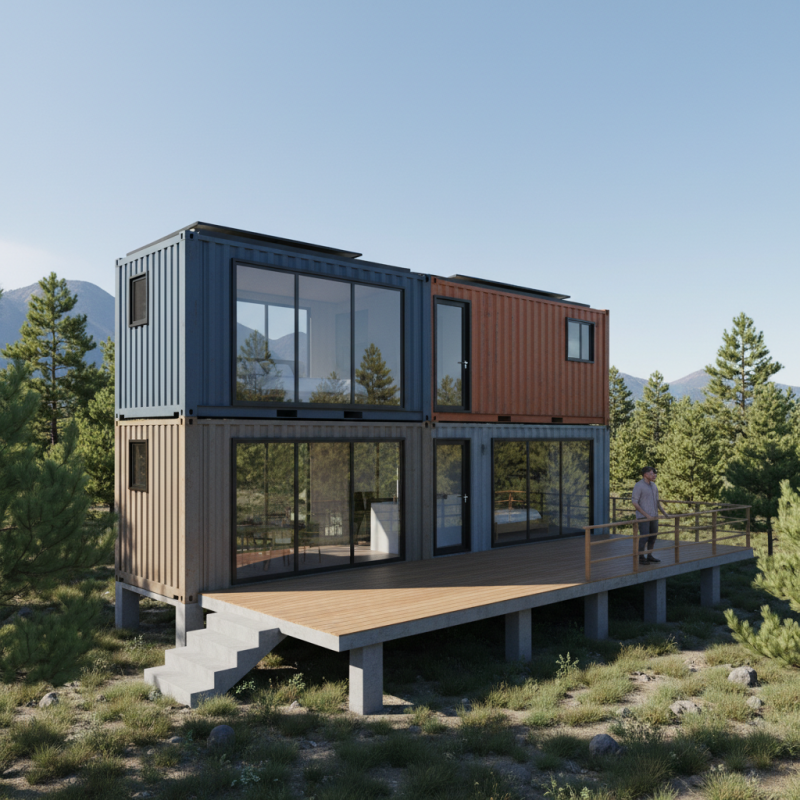
Prefab container houses are gaining popularity for various reasons. These structures are built using shipping containers, which makes them both affordable and flexible. Homeowners can customize the design to suit their needs. A well-designed container house can blend seamlessly with natural surroundings. Large windows and open spaces can create a sense of openness and light.
There are clear benefits to prefab container houses. They are often eco-friendly and can be relocated easily. However, unexpected challenges may arise during the construction process. Not every container is suitable for living; some may require extensive modifications. It’s crucial to inspect each container thoroughly. While these homes are generally sturdy, insulation must be considered to ensure comfort.
Many people overlook the zoning laws in their locations. This can lead to complications and delays. As you plan, research local regulations about container homes. Consider potential limitations on utilities or space. It’s essential to strike a balance between creativity and practicality. Reflecting on these aspects will help create the ideal home.
Essential Requirements for Building a Container House
When building a container house, certain essential requirements must be addressed. Start by ensuring your site is suitable. It should have a stable foundation and proper drainage. Access to utilities like water and electricity is crucial. Consider the climate; insulation and ventilation play key roles in comfort.
Choosing the right containers is also essential. Containers should be structurally sound, free of rust and dents. People often overlook necessary permits and zoning laws. Ignoring these can lead to issues later. Sometimes, the design may need to be adjusted for compliance with regulations.
Plan your layout thoughtfully. Open spaces often enhance the feeling of roominess. However, you might need to rethink your design if space is limited. Aesthetics and functionality should go hand in hand. You may face challenges during the building process, such as delays or budget overruns. Staying flexible can help manage these issues.
Step-by-Step Guide to Planning Your Container Home Layout
When designing your container home layout, start with your lifestyle needs. Consider the number of occupants and their activities. Create separate zones for sleeping, cooking, and relaxing. Open spaces can make a home feel larger, but too much openness may reduce privacy. Think about the flow of movement between these areas. Will it feel cramped or comfortable?
Next, focus on natural light. Windows can create a warm atmosphere, but placement is crucial. Too many windows may lead to loss of heat. Think about where the sun hits during the day. Balancing light with insulation is a challenge to consider. Also, think about storage solutions. Creative shelves can help utilize vertical space, but clutter can quickly accumulate.
In this process, be flexible with your plans. Not everything may fit as you imagined. Measure often and adjust your layout as needed. A trial-and-error approach can help refine your choices. Sometimes the best ideas come from unexpected changes in direction. Embrace these moments for a more personalized container home.
Choosing the Right Materials and Design for Your Prefab House
When building a prefab container house, the choice of materials is crucial. Steel containers are popular for their durability. However, they can get hot or cold easily. Adding insulation helps maintain a comfortable temperature. Think about the climate in your area. This will guide your insulation choices.
Design also plays a pivotal role. A well-thought-out layout can greatly enhance your living experience. Open spaces often work better than cramped layouts. Consider the flow of light into the house. Large windows can brighten up narrow spaces, making them feel more open.
One common mistake is underestimating the importance of foundation. A solid foundation ensures stability and longevity. Think through your site’s conditions. If the ground is uneven, this might lead to issues down the line. Always anticipate potential problems before they arise. Building a prefab container house is rewarding but requires careful planning and reflection.
Considerations for Site Selection and Foundation for Container Homes
When considering site selection for a prefab container home, it's critical to assess the land's topography. A flat area can reduce construction costs and simplify the foundation process. According to a recent report from the Container Housing Association, nearly 35% of container homes face structural issues due to inadequate site evaluation.
Soil quality plays a significant role as well. If the soil is unstable, the foundation’s integrity may be compromised. Professional geotechnical studies can help inform necessary measures. It's worth noting that 25% of container homes need retrofitting after improper site assessments. This reflects the importance of being thorough before you even start building.
Access to utilities is another consideration. A remote site may increase installation costs significantly. Connecting to water, electricity, and sewage lines can be challenging in less accessible areas. Many first-time builders overlook these logistical aspects, leading to project delays and budget overruns. Each decision made during the site selection process can impact the overall experience and success of your container home project.