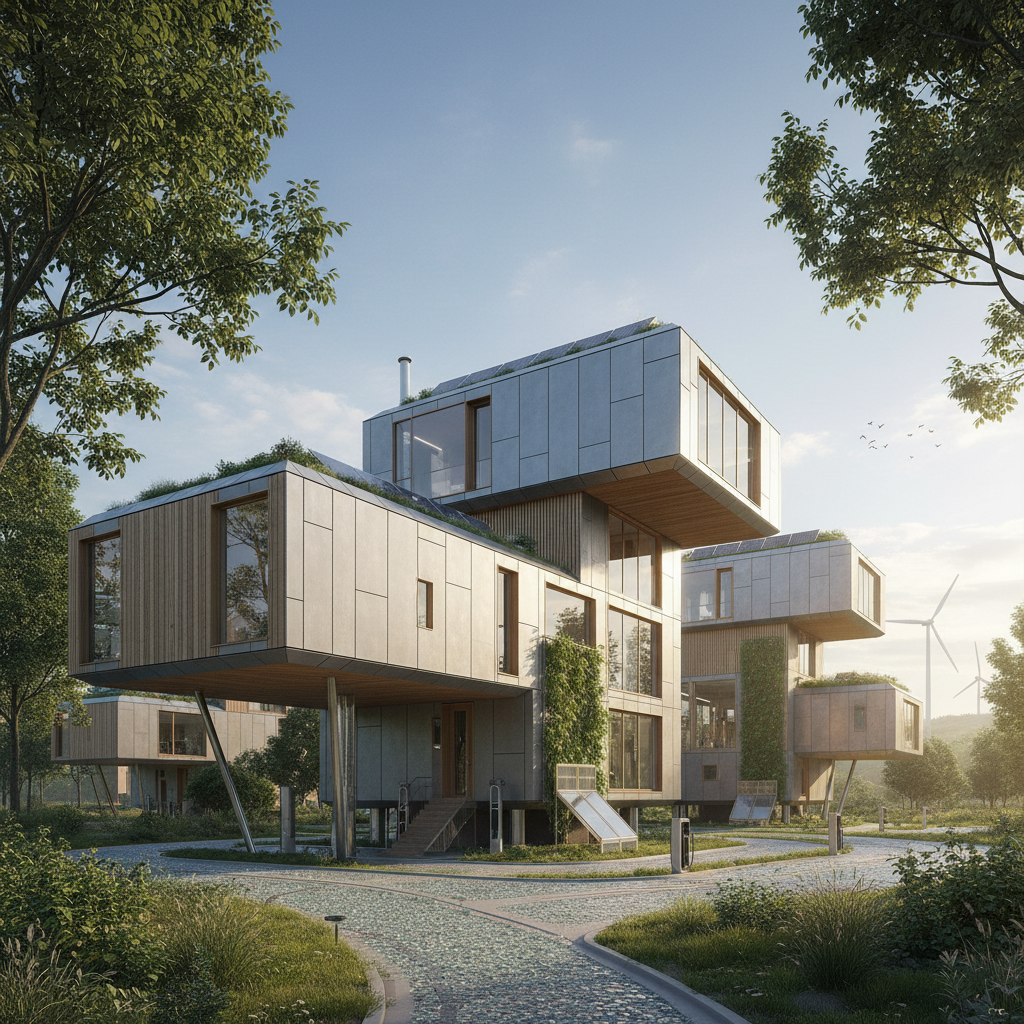
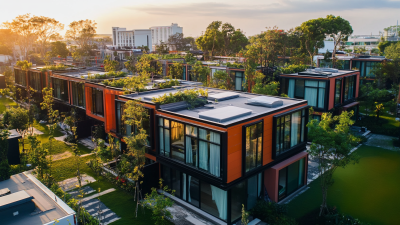
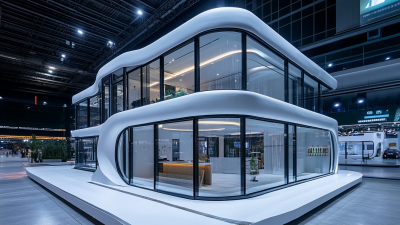
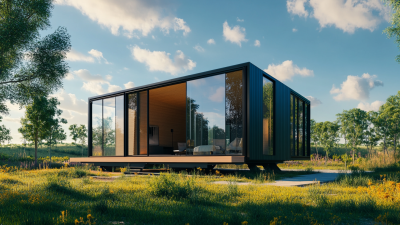
2025 Top 5 Modular Homes: Innovative Designs for Sustainable Living
As the demand for sustainable living solutions continues to rise, modular homes are emerging as a leading choice for eco-conscious consumers. According to a recent report by the Modular Building Institute, the modular construction market is expected to grow by over 6% annually, reaching a valuation of approximately $157 billion by 2025. This surge is driven by the increasing focus on reducing carbon footprints and using efficient building methods that align with contemporary environmental standards.
Modular homes, which are prefabricated off-site and assembled on-location, offer significant benefits in terms of resource efficiency, waste reduction, and enhanced energy performance.
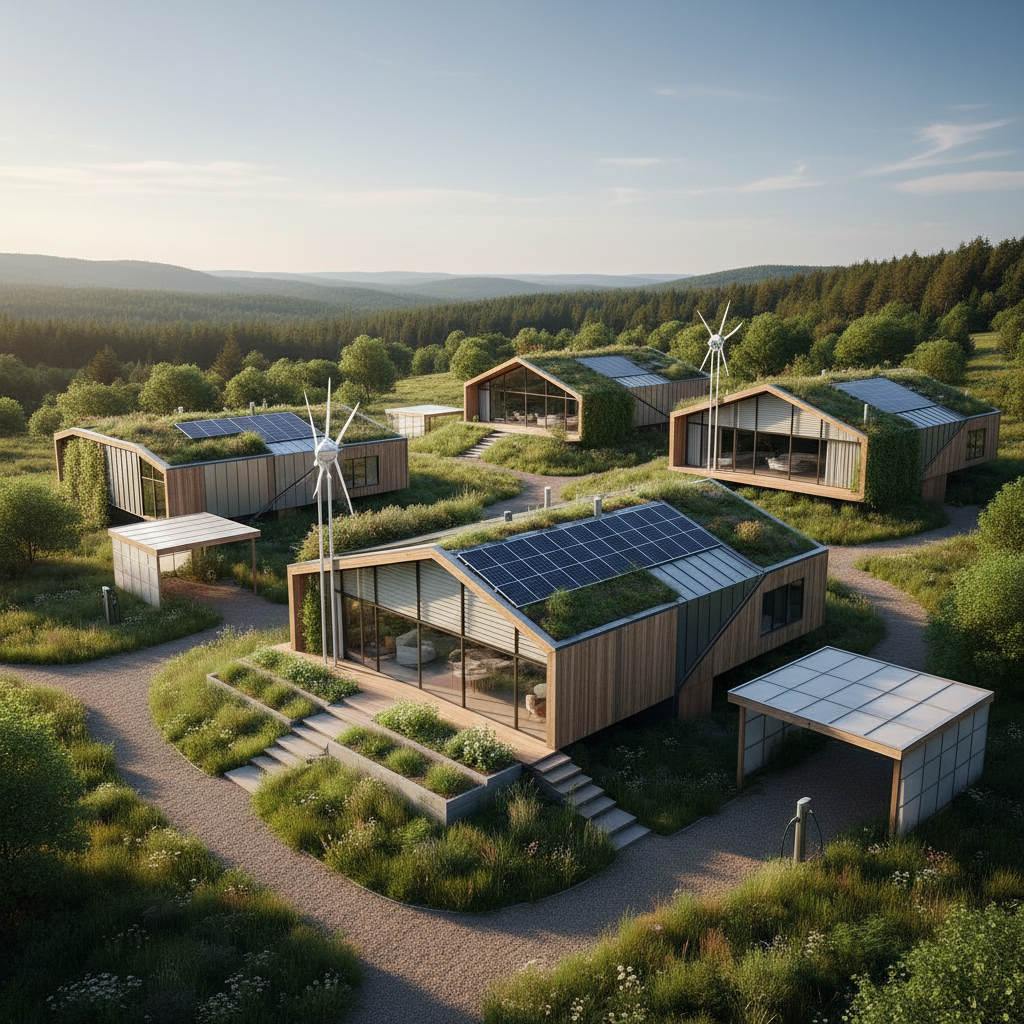
In 2025, the market will unveil several innovative designs that not only reflect aesthetic trends but also integrate advanced sustainability features. For instance, many of these models will incorporate renewable energy systems such as solar panels and green insulation materials, ensuring they meet the growing demands of environmentally-sensitive consumers. With the rise of smart home technology, modular homes are also adapting to incorporate automated systems that enhance energy management, further promoting sustainability.
As we explore the top five modular homes for 2025, it becomes clear that these designs are paving the way for a future where modern living harmonizes with ecological responsibility.
Exploring the Rise of Modular Homes: A Sustainable Housing Solution
As the demand for sustainable housing solutions grows, modular homes have emerged as a compelling option.
These innovative dwellings are constructed off-site in controlled environments, significantly reducing waste and resource consumption.
The modular design not only allows for efficient use of materials but also facilitates quicker assembly and reduced construction timelines.
This shift towards prefabrication means that builders can minimize their carbon footprints while providing quality homes that meet eco-friendly standards.
Additionally, modular homes offer remarkable flexibility in design, appealing to a range of lifestyles and preferences.
From compact units that maximize small plots to more spacious configurations that accommodate families, the customization options are vast.
This adaptability, combined with energy-efficient sustainability features, positions modular homes as a forward-thinking answer to housing shortages and environmental concerns.
As more individuals prioritize eco-conscious living, the rise of modular homes represents a significant step toward a more sustainable future in residential architecture.
Key Features of 2025's Most Innovative Modular Home Designs
As we look ahead to 2025, the evolution of modular homes showcases a remarkable intersection of innovative designs and sustainable living practices. The most notable modular homes of 2025 feature a range of key elements aimed at reducing environmental impact while providing modern, adaptable living spaces. These designs incorporate advanced materials such as recycled steel and sustainable wood, which not only enhance durability but also align with eco-friendly standards.
Moreover, the emphasis on energy efficiency is evident through the integration of solar panels and smart home technology. These homes are designed to harness renewable energy, minimizing reliance on traditional energy sources and reducing overall utility costs. Furthermore, many of these modular designs prioritize modularity and flexibility, allowing homeowners to expand or modify their living space based on changing needs. This adaptability to both lifestyle and environmental considerations ultimately reflects a growing commitment to sustainable living in the housing market.
Integration of Smart Technology in Modular Housing
As the demand for sustainable living solutions rises, the integration of smart technology in modular homes represents a significant advancement in eco-friendly housing. According to a recent report by the National Association of Home Builders, nearly 60% of homebuyers express a preference for smart home features that enhance energy efficiency and security. Modular homes, which are constructed off-site and assembled on land, are uniquely positioned to incorporate these technologies from their inception, optimizing energy use and minimizing waste during the building process.
The incorporation of smart technologies in modular housing goes beyond mere convenience; it serves as a crucial component in creating energy-efficient homes. For instance, smart thermostats and energy-monitoring systems can reduce energy consumption by up to 15%, as indicated by a study from the Smart Home Technologies Alliance. Moreover, the ability to control lighting, heating, and appliances remotely not only enhances the homeowner's experience but also contributes to a more sustainable lifestyle by encouraging responsible energy use. With projections showing that the smart home market will exceed $135 billion by 2025, the fusion of smart technology with modular housing is poised to play a pivotal role in the future of residential building.
2025 Top 5 Modular Homes: Innovative Designs for Sustainable Living
| Model |
Size (sq ft) |
Bedrooms |
Sustainable Features |
Smart Technology Integration |
Estimated Cost ($) |
| EcoSmart Living |
1200 |
2 |
Solar Panels, Green Roof |
Smart Thermostat, Home Automation |
180,000 |
| Harmony House |
1500 |
3 |
Rainwater Harvesting, Energy-efficient Windows |
Smart Lighting, Security System |
220,000 |
| Green Haven |
1000 |
2 |
Recycled Materials, Low VOC Paints |
Energy Management System, Smart Appliances |
150,000 |
| Urban Nest |
1300 |
3 |
Vertical Gardens, High R-Value Insulation |
Smart Irrigation, Remote Monitoring |
200,000 |
| Future Home |
1600 |
4 |
Geothermal Heating, Triple Glazing |
AI Home Assistant, Smart Energy Grids |
250,000 |
Environmental Benefits: How Modular Homes Promote Sustainability
Modular homes are paving the way for a new era of sustainable living, driven by their innovative designs that minimize environmental impact. As the global market for modular construction is expected to grow significantly, the emphasis on eco-friendly methods and materials has never been more critical. These homes not only reduce waste during construction but also promote energy efficiency and utilize sustainable resources. Recent advancements in technologies such as 3D printing and robotics have further enhanced the capabilities of modular construction, making it an attractive option for environmentally conscious consumers.
**Tips for Sustainable Living**: When considering modular homes, prioritize designs that incorporate renewable energy sources and energy-efficient appliances. Additionally, selecting materials that are recycled or sustainably sourced can greatly enhance the environmental benefits of your home. Engaging with builders and designers who are committed to sustainability will ensure that your modular home is both innovative and eco-friendly.
Moreover, modular construction supports circular economy principles by enabling better resource utilization and waste management. By adapting existing structures or repurposing materials, these homes not only promote sustainability but also drive productivity in the construction industry. As more individuals recognize the benefits, the demand for these revolutionary housing solutions will continue to rise, contributing to a more sustainable future for all.
Environmental Benefits of Modular Homes
Future Trends in Modular Home Development and Design
The modular home market is undergoing significant transformation, with a projected compound annual growth rate poised to reach remarkable heights by 2025 and beyond. As sustainability becomes increasingly central to architectural planning, innovative designs are at the forefront of this trend. One highlight is the growing interest in materials like concrete, steel, and wood, which are being utilized in diverse applications such as commercial, residential, and institutional buildings. This evolution is driven not only by demand for eco-friendly structures but also by the technological advancements that streamline construction processes.
Tips: To maximize sustainability in modular home design, consider incorporating energy-efficient systems from the outset. Think about integrating solar panels or green roofs, which can enhance energy savings and promote a healthier living environment.
Additionally, recent trends underline the importance of smart technologies in construction. The advent of intelligent factories, where robotics and digital tools seamlessly interact, transforms traditional building practices into highly efficient workflows. This not only reduces material waste but also shortens construction timelines, enabling faster delivery of homes tailored to today’s ecological standards.
Tips: When selecting a modular home, look for companies that prioritize sustainable practices and offer options for customization, ensuring your new home reflects modern living while supporting environmental well-being.