Leave Your Message
News

News

Smart Capsule House Trends for 2026 What to Expect

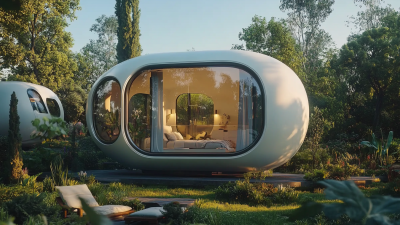
As we approach 2026, the Smart Capsule House is set to redefine modern living. Renowned architect Dr. Emily Tran states, "The Smart Capsule House is not just a trend; it's a lifestyle shift." This innovative design encapsulates comfort and technology in compact spaces. Urban environments struggle with space, and these capsules offer solutions that blend efficiency and style.

Imagine living in a Smart Capsule House, where every square foot is maximized. These homes utilize smart technology for energy efficiency and personalized comfort. They are not merely boxes; they are dynamic homes that adapt to users’ needs. However, there are challenges. As the market expands, questions arise about sustainability and practicality in varied climates.

While the concept is inspiring, it can feel impersonal. Some may miss traditional architecture's warmth and character. Finding the balance between innovation and emotional connection will be crucial. Reflecting on these thoughts, the Smart Capsule House represents both the promise of the future and the complexities of a changing world.
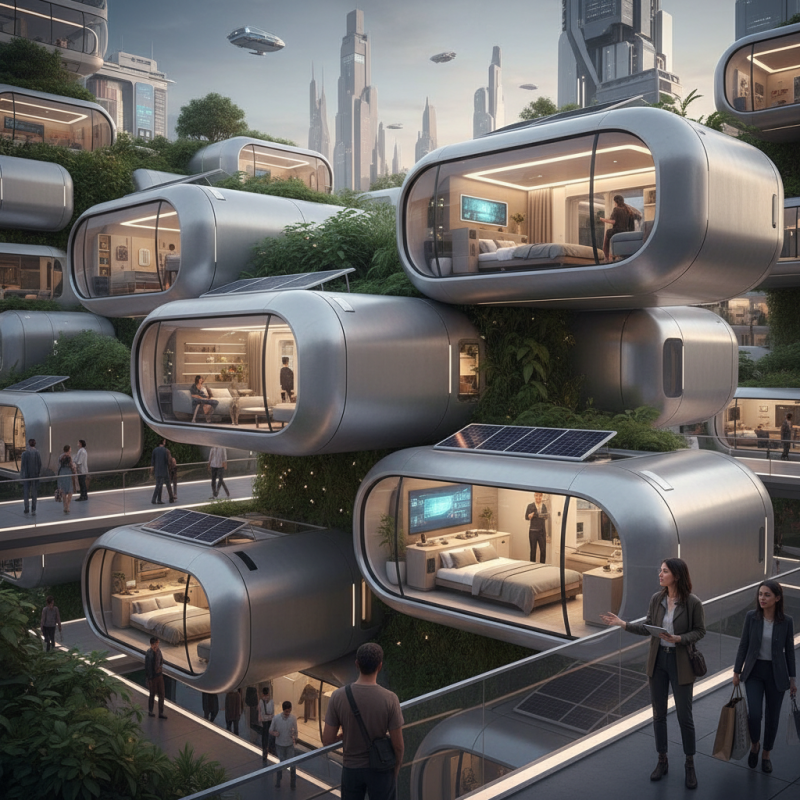
Smart Capsule House Trends for 2026 What to Expect

Emergence of Smart Capsule Houses in Urban Environments
Smart Capsule House Trends for 2026 What to Expect

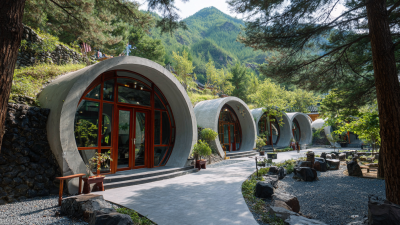
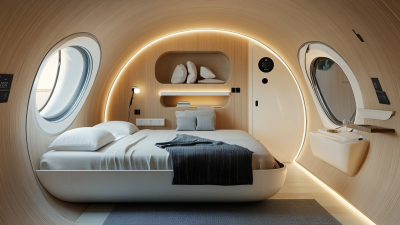
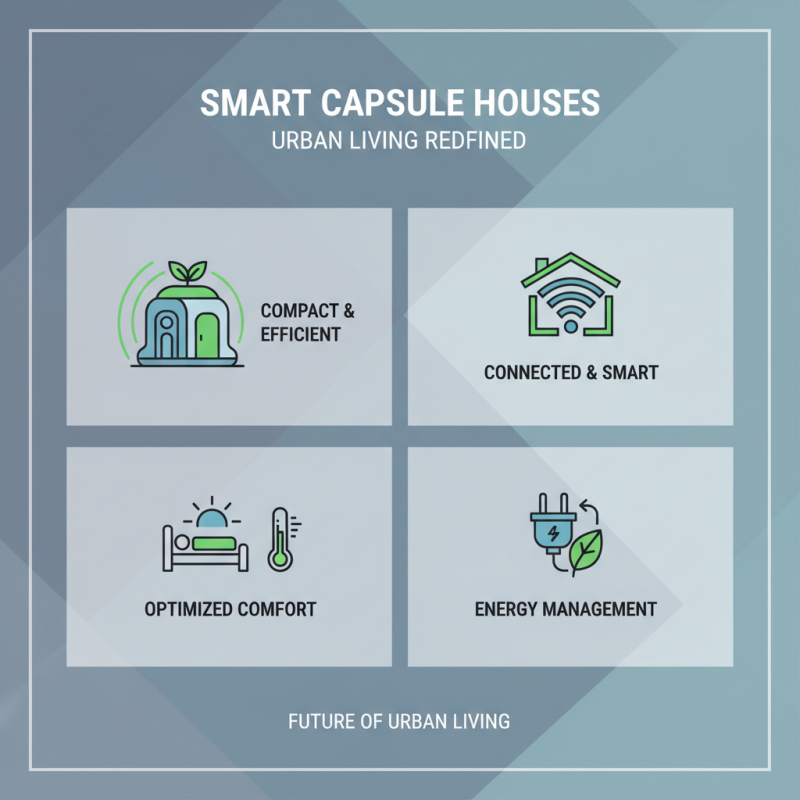
In urban environments, the emergence of smart capsule houses marks a significant shift in living spaces. These compact homes are designed for efficiency and connectivity. They offer essential amenities while maximizing limited square footage. Imagine waking up in a cozy space that utilizes smart technology to manage energy consumption. Lights brighten gently as you wake up, while temperature settings adjust to your comfort.

However, these innovations come with challenges. Many people feel confined in small spaces, despite their conveniences. The minimalist lifestyle can be daunting for those accustomed to larger homes. Silence might feel oppressive in such compact environments. Social interaction can suffer when neighbors are just a wall away. As urban populations grow, balancing privacy and community will be crucial.

Designing these smart capsule houses also requires careful thought. What happens when technology fails? A glitch could leave residents in the dark, both literally and figuratively. Moreover, should there be more emphasis on communal spaces? Shared lounges and gardens can alleviate feelings of isolation. Yet, they may require additional maintenance and planning. The trend highlights the need for constant reflection on our evolving living conditions.
Key Technological Innovations Driving Smart Capsule Design

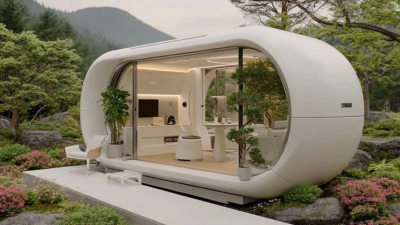
The smart capsule house is evolving rapidly. By 2026, innovations will transform how we live in small spaces. Architects and designers are embracing technology to create multifunctional environments. These designs often emphasize sustainability, offering eco-friendly materials and energy-efficient systems.

One trend to watch is smart home integration. Devices will communicate seamlessly, enhancing convenience and security. Imagine controlling your lights, temperature, and security system from your smartphone. However, the challenge lies in maintaining user-friendly interfaces. Complicated systems can deter users, making simplicity essential. Smart capsules must also adapt to mobile lifestyles.

Another point to consider is space utilization. Innovative layouts will maximize every inch, promoting organization. Modular furniture and hidden storage solutions will be key. Yet, designers must be cautious. Overcrowded spaces can feel claustrophobic, countering the intended comfort of capsule living. Balancing aesthetics with functionality will be crucial in future designs.

Sustainability Trends in Capsule House Construction and Living

The capsule house trend is gaining momentum, particularly in sustainability. By 2026, we can expect these homes to incorporate innovative eco-friendly materials. Reports indicate that up to 80% of construction waste could be reduced through modular designs. This waste reduction is essential as the global construction industry generates billions of tons of waste annually.

Living in capsule homes often includes utilizing renewable energy sources. Many studies suggest that homes equipped with solar panels can lower energy costs by as much as 50%. Moreover, these houses frequently use energy-efficient appliances, reducing overall consumption. However, not all designs achieve optimal energy efficiency. Some builders still overlook key insulation strategies, leading to unnecessary heat loss.

Water conservation is another critical aspect. Capsule houses often utilize rainwater harvesting systems. These systems can significantly reduce water usage in households by nearly 40%. Despite these benefits, some residents find challenges in implementing such systems effectively. This gap indicates a need for more education on sustainable practices and their actual benefits. As we approach 2026, the focus must shift towards refining these house designs for better environmental performance and affordability.

User Experience and Customization in Smart Capsule Homes

The future of smart capsule homes emphasizes user experience and personalization. These compact living spaces are designed to adapt to individual needs. Imagine a capsule that understands your daily routine. It learns your preferences, adjusting lighting and temperature automatically. This level of customization enhances comfort.

Smart technology also plays a crucial role. Voice-activated systems make controlling the environment effortless. Users can set moods with simple commands, creating a personal oasis. However, not all technology is seamless. Some might find it overwhelming or invasive. It’s essential to balance convenience and privacy.

Design is another vital element. Capsule homes offer multifunctional spaces, yet they can feel cramped. Storage solutions often miss the mark. Future designs might need to rethink space utilization. Empty corners could transform into hidden storage or workspaces. It’s about finding harmony in limited spaces while celebrating individuality.

Smart Capsule House Trends for 2026

Feature Description User Experience Customization Options Expected Impact
Automated Climate Control Smart systems adjust temperature and humidity based on user preferences. Enhances comfort and reduces energy costs. Users can set preferences through a mobile app. Increased user satisfaction and lower environmental impact.
Modular Design Ability to add or remove sections based on family size and needs. Allows flexibility and personalization. Variety of styles and layouts available to choose from. Promotes long-term residency and reduces relocation needs.
Integrated Smart Technology Home automation systems for lighting, security, and appliances. Streamlines daily routines and enhances security. Personalized settings for different times of day. Improves home security and energy efficiency.
Sustainable Materials Use of recycled and eco-friendly building materials. Supports environmental sustainability. Options for eco-friendly finishes and fixtures. Reduces carbon footprint of housing.
Health-Focused Features Air purification, daylight sensors, and ergonomic designs. Promotes physical well-being and mental health. Customizable wellness features based on user needs. Improves overall quality of life.

Future Market Predictions for Smart Capsule Houses by 2026

Smart Capsule House Trends for 2026 What to Expect

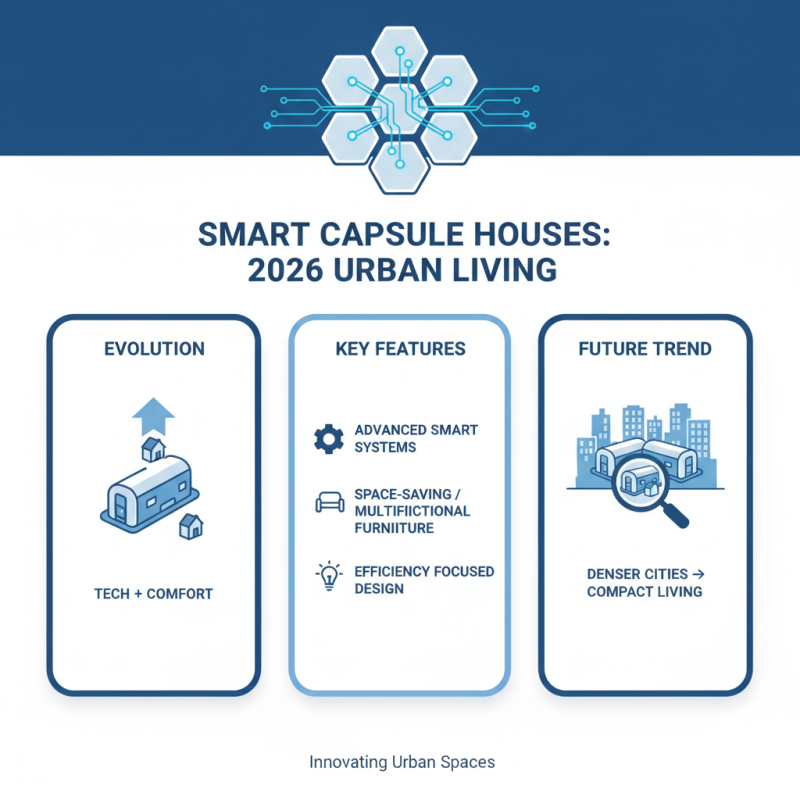
The concept of smart capsule houses is evolving rapidly. By 2026, we can expect these futuristic living spaces to blend technology with comfort. Homes designed in capsule forms prioritize efficiency while utilizing advanced smart home systems. These houses will typically feature space-saving designs and multifunctional furniture. More people might find themselves living in compact environments as urban areas grow denser.

Future market predictions suggest a rise in demand for eco-friendly materials. Sustainability will play a key role in construction and design. Capsule homes might incorporate solar panels and rainwater harvesting systems. In addition, smart technology will improve daily living. Imagine waking up to automated lighting and climate control tailored to individual needs. It’s enticing but also raises questions about energy consumption and privacy issues.

There will be challenges to consider. Not everyone will adapt easily to this lifestyle. High-tech solutions could alienate those who prefer traditional homes. The balance between innovation and comfort needs careful thought. While the appeal of capsule living grows, significant aspects require reflection. People must weigh the benefits against the downsides of technology-driven environments.