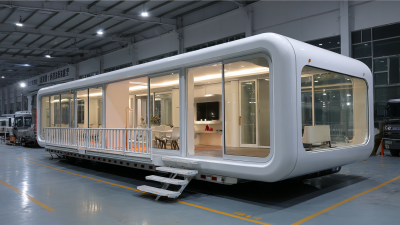
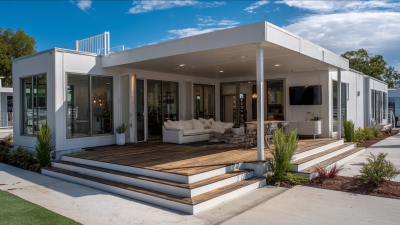
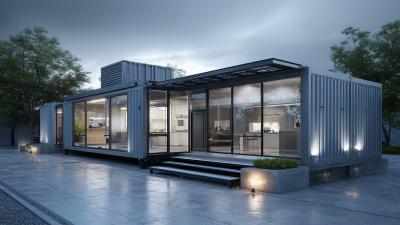
What is a Modular Space House and Why is it Popular?
The concept of a "Modular Space House" is transforming modern living. This innovative housing solution maximizes space and efficiency. As urbanization increases, housing demand rises. A recent report by the International Modular Housing Association highlighted a 25% growth in modular house sales. This trend reflects changing lifestyles and a preference for flexible living arrangements.
Expert architect David Mitchell noted, “Modular Space Houses provide functional solutions in compact designs.” Such structures appeal to minimalist lifestyles. They often prioritize sustainability, utilizing eco-friendly materials and energy-saving technologies. However, challenges include perceptions of limited customization and potential resale value concerns.
Investors and homeowners are drawn to the speed of construction. Modular houses can be assembled in a fraction of the time compared to traditional builds. Despite their growing popularity, some still question their long-term durability. It's vital to weigh the benefits and drawbacks. The Modular Space House trend signifies a significant shift in how we conceive housing.
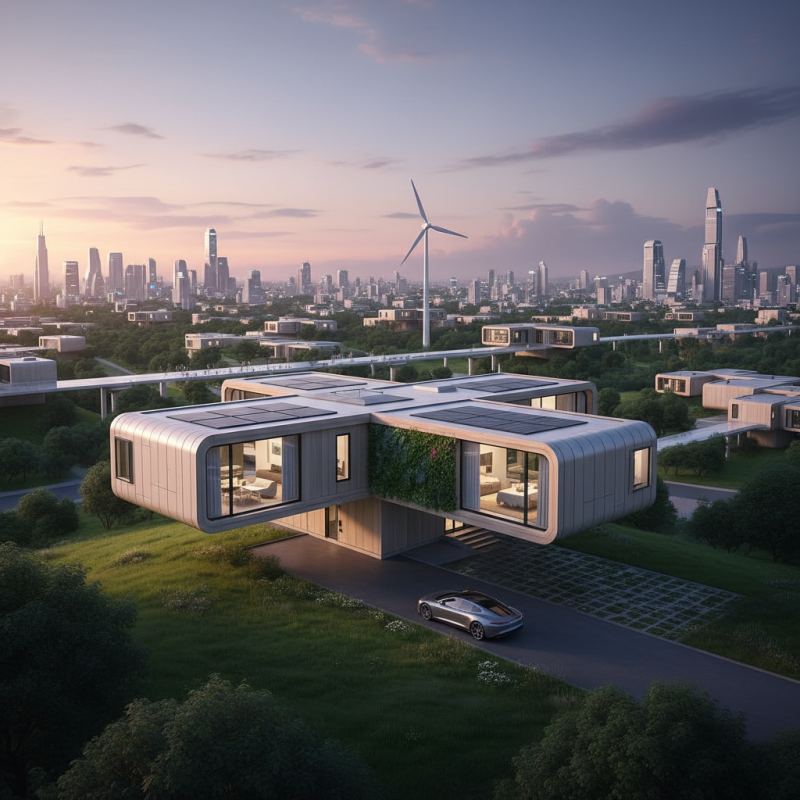
Definition and Characteristics of Modular Space Houses
Modular space houses are housing solutions made from pre-fabricated sections. These sections are built in factories and assembled on-site. The modern design allows for versatility and creativity. Homebuyers can customize layouts and choose materials easily.
The appeal lies in the speed of construction. Building a modular space house takes much less time than traditional homes. Families can move in faster, reducing the wait. Additionally, these structures often use sustainable practices. Eco-friendly materials and energy-efficient designs are common.
However, modular homes are not without challenges. Some people question their durability compared to traditional builds. Others wonder about resale value. While many enjoy the benefits, potential buyers should weigh pros and cons carefully. Understanding local building codes and regulations is also crucial. This ensures safety and long-term satisfaction with the investment.
Advantages of Modular Space Houses Over Traditional Homes
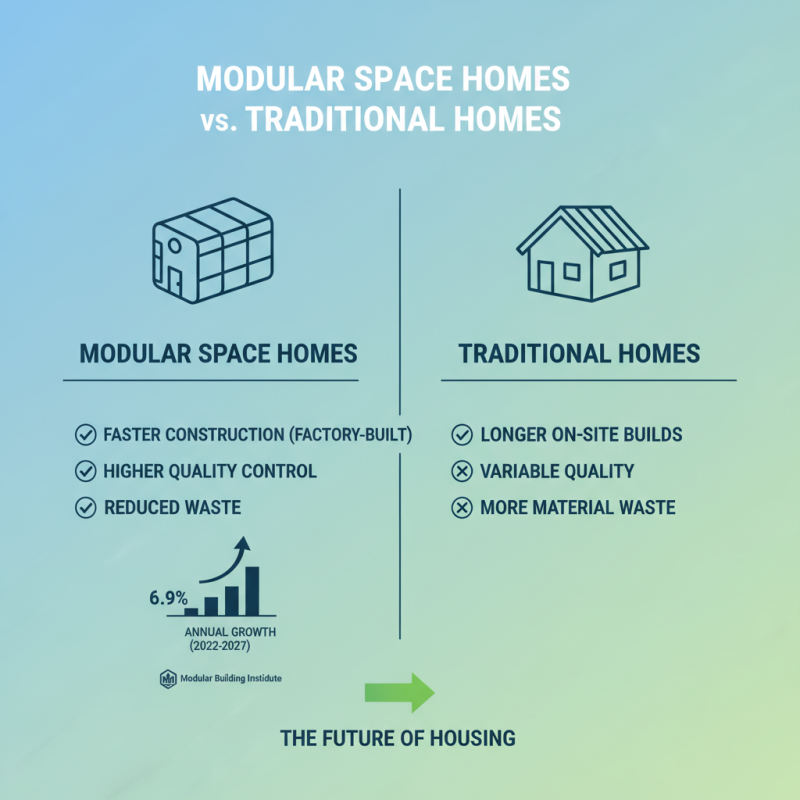
Modular space houses represent a significant shift in the housing industry. These homes are built in sections, or modules, in controlled factory environments. This approach results in higher quality control and reduced construction waste. According to a 2022 report by the Modular Building Institute, the modular construction market is expected to grow 6.9% annually through 2027. This trend reflects a growing acceptance of modular homes by homeowners.
One key advantage of modular homes is their speed of construction. They can be assembled within a few months, compared to traditional homes that take much longer. Additionally, these homes often have a lower carbon footprint because they use sustainable materials and minimize waste during the building process. A study by McKinsey & Company suggests that modular construction can reduce labor costs by up to 20%. This efficiency can make homeownership more accessible for many.
Tip: When considering modular homes, research different designs and customization options available. Keep in mind that not all modular homes are created equal. Some manufacturers may compromise on materials, so it is essential to evaluate their quality. Choosing a reputable builder who prioritizes sustainability can enhance your investment.
The Construction Process of Modular Space Houses Explained
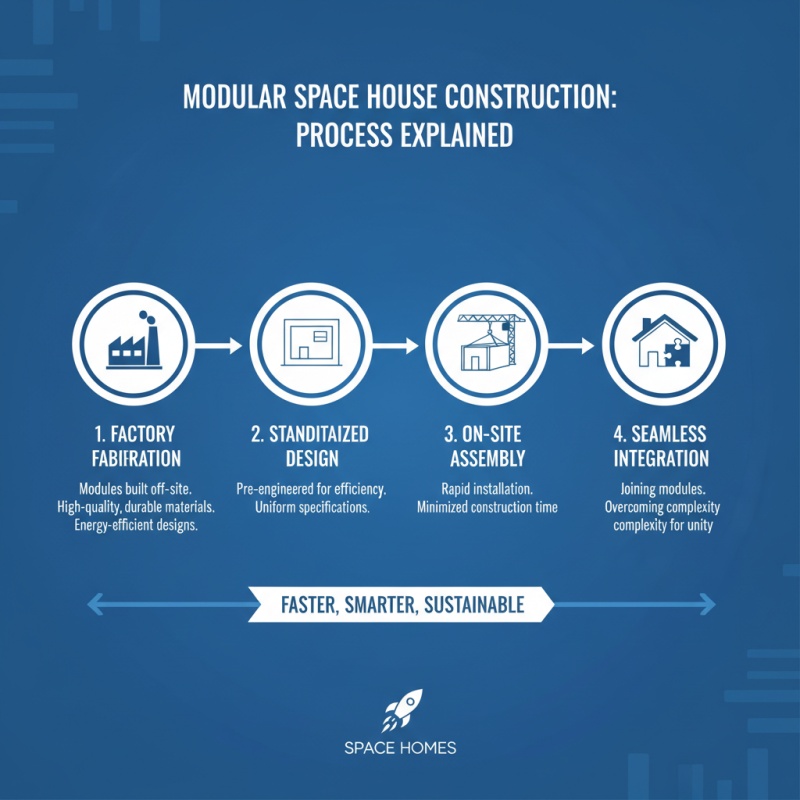
The construction process of modular space houses is intriguing yet complex. These homes are built from prefabricated modules, which are created in a factory setting. Each module is typically constructed with high-quality materials, ensuring durability and energy efficiency. The use of standard designs allows for quicker assembly on-site. However, achieving seamless integration of various modules can be challenging.
Once the modules are ready, they are transported to the building site. Skilled crews then assemble them to form a complete structure. Although this process reduces construction time, there are potential issues. For instance, site preparation must be precise, as uneven ground can lead to structural problems. Adapting to unexpected site conditions often requires additional planning and resources.
Another consideration is the building code compliance. Each region has its regulations, and meeting these can be cumbersome. Moreover, while prefabrication aims to reduce waste, some leftover materials are inevitable. Modular homes offer flexibility and innovation, but contractors must remain vigilant about quality assurance at every stage. The balance between speed and precision is crucial for a successful build.
Factors Contributing to the Popularity of Modular Space Houses
Modular space houses have gained traction for their innovative design and efficient construction. One of the primary factors contributing to their popularity is cost-effectiveness. Reports indicate that modular homes can be built for 10-20% less than traditional homes. This reduction is largely due to streamlined manufacturing processes. Factories can produce these homes faster and more efficiently, significantly lowering labor costs.
Another reason for their rising appeal is sustainability. Many modular homes utilize eco-friendly materials and energy-efficient designs. A study from the Modular Building Institute claims that modular construction generates 90% less waste compared to traditional building methods. Consumers are increasingly drawn to environmentally responsible choices, and modular homes fit this criterion well.
Customization options also attract buyers. Modular space houses allow for personalization in design and layout. Users can select finishes and configurations that reflect their preferences. This level of customization appeals to diverse demographics, from young professionals to families. Challenges remain, however, including local zoning regulations that can complicate placements. Modular homes may face stigma due to misconceptions about quality, but ongoing education can address these issues effectively.
Future Trends in Modular Space Housing Development
Modular space housing is evolving rapidly. Many experts predict significant shifts in design and construction methods. The focus on sustainability will shape future homes. Builders are increasingly using eco-friendly materials. This trend not only reduces waste but also lowers energy costs. Prefabricated units can be assembled faster, offering flexibility for homebuyers.
Another trend is the emphasis on smart technology. Homes are becoming more connected. Smart systems control lighting, heating, and security. Integration of technology can improve efficiency. Yet, some people worry about privacy and data security. This concern should not be overlooked. As modular homes expand, addressing these issues will be essential.
Urbanization is also driving demand for modular space houses. Cities are growing. Affordable housing is in high demand. Modular solutions are a response to this crisis. However, there are challenges. Not all cities are ready to embrace these new structures. Infrastructure must adapt to support them. Balancing innovation with practicality will be crucial.