What is Modular Homes and How Do They Work?
Modular homes have gained traction in the housing industry due to their efficiency and affordability. According to the Modular Building Institute, the US modular home market was valued at approximately $10.9 billion in 2022. This indicates a growing acceptance of modular construction methods among homebuyers. Industry expert Dr. Emily Haskins states, "The future of housing lies in the adaptability and sustainability of modular homes."
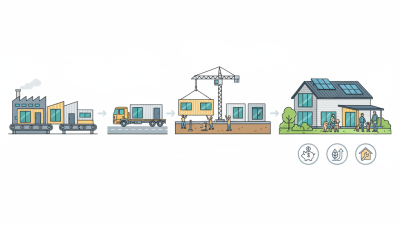
These homes are built in sections, or modules, in controlled factory environments. Once completed, they are transported to their final locations for assembly. This method often results in reduced build times and minimizes waste. Moreover, modular homes can be customized to meet the needs of different buyers. However, not everyone is aware of the potential challenges. Zoning laws and local regulations can complicate the process.
The shift toward modular housing also raises questions about long-term value. While they can be more affordable upfront, buyers must consider future resale prospects. Despite some skepticism, the modular home trend continues to grow. It reflects a desire for modern solutions in an ever-changing housing landscape.
Definition of Modular Homes and Their Key Features
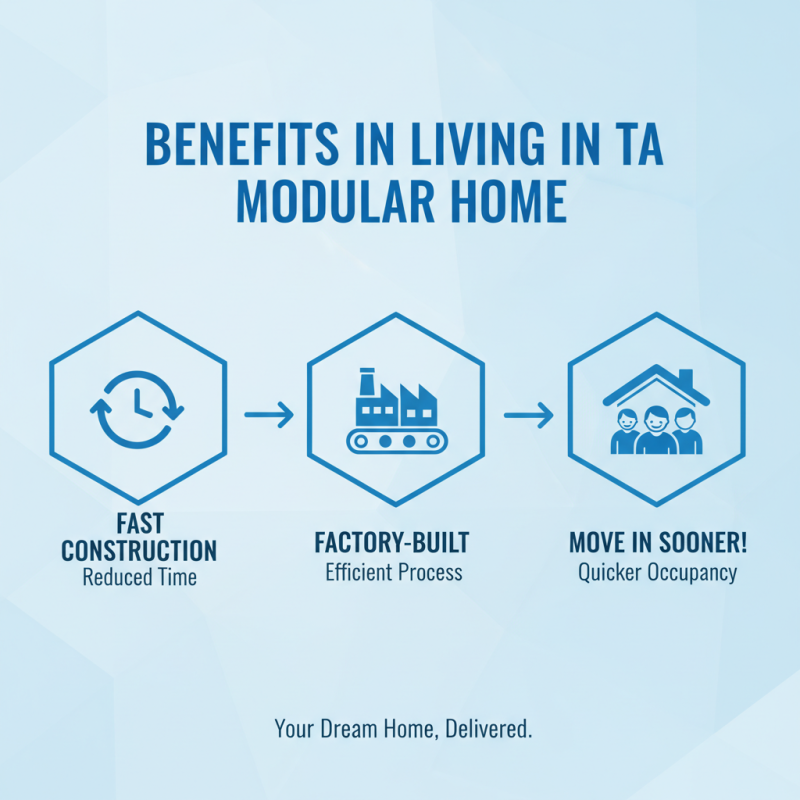
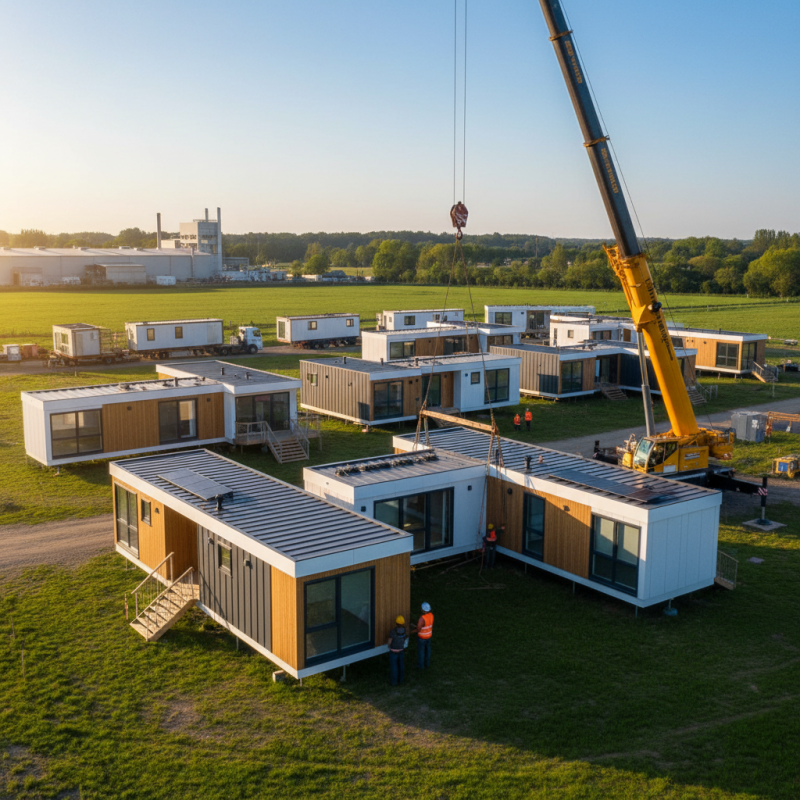
Modular homes represent a significant innovation in the housing market. They are built in sections, or modules, in a factory setting. Once these modules are complete, they are transported to the site and assembled. This method offers efficiency. According to the Modular Building Institute, modular homes can be completed 30-50% faster than traditional homes.
Key features of modular homes include sustainability and customization. Many modular homes use eco-friendly materials for construction. Reports indicate that 70% of modular homes produce less waste compared to conventional builds. Additionally, buyers can often modify designs to fit their specific needs. This flexibility can lead to increased satisfaction. Nevertheless, buyers should also be aware of zoning regulations that can complicate the process. It’s essential to investigate local laws thoroughly.
Financing modular homes can sometimes be challenging. Traditional mortgage lenders may have reservations. Some buyers report difficulties securing loans for these homes. Experts suggest researching specialized lenders who understand the modular market. This understanding can be beneficial. Engaging knowledgeable professionals can help navigate potential hurdles, ensuring a smoother journey.
The Modular Home Construction Process Explained
The modular home construction process is intricate yet efficient. It involves creating sections of a home, often called modules, in a factory setting. According to the Modular Home Builders Association, modular homes can be built up to 30% faster than traditional homes. This speed is achieved through streamlined production and less weather-related delays.
During construction, modules are fabricated using precision engineering techniques. After reaching the construction site, the modules are assembled on a permanent foundation. The construction process can result in less waste, improving sustainability. Reports indicate that up to 75% of the waste can be avoided with modular building methods.
Tip: Prioritize working with experienced builders. Their knowledge can greatly influence the quality of your modular home. Customization options can enhance your home’s uniqueness. However, remember that not all options may be feasible.
Reflecting on the process, it's essential to acknowledge potential challenges. The upfront investment may seem higher, and zoning regulations can complicate the project. Research local building codes before starting. Being informed helps avoid unexpected setbacks.
Comparing Modular Homes to Traditional Stick-Built Homes
When comparing modular homes to traditional stick-built homes, several key differences emerge. Modular homes are built in sections in a factory. These sections, or modules, are then transported to the site for assembly. This process can significantly reduce construction time. Traditional homes, however, rely on conventional on-site building methods. This often leads to longer timelines due to weather delays and labor availability.
Quality control in modular homes is generally higher. Since they are built in a controlled environment, materials and workmanship undergo rigorous checks. In contrast, on-site construction can suffer from inconsistent quality. Homeowners might notice variations in craftsmanship in stick-built homes. This can sometimes lead to unforeseen maintenance issues later on.
While modular homes often come with modern designs and energy efficiency, potential owners should consider personalization constraints. Customization options may be limited compared to traditional homes. Some might feel restrained by the factory designs. Each type of home has its strengths and weaknesses. Choosing between them requires careful thought and personal priorities.
What is Modular Homes and How Do They Work? - Comparing Modular Homes to Traditional Stick-Built Homes
| Feature |
Modular Homes |
Traditional Stick-Built Homes |
| Construction Time |
Faster (typically 3-6 months) |
Slower (6-12 months) |
| Assembly Location |
Built in a factory and transported to site |
Constructed on-site |
| Cost |
Generally lower due to efficient manufacturing |
Higher labor costs and longer construction times |
| Customization |
Moderate level of customization available |
High level of customization according to client preferences |
| Quality Control |
Strict factory inspections |
Varies based on on-site construction practices |
| Energy Efficiency |
Often built with energy-efficient materials |
Efficiency can vary widely |
Common Misconceptions About Modular Homes
Modular homes often face misconceptions that can cloud perceptions. Many people think they lack quality due to their prefabricated nature. In reality, modular homes are built under strict code requirements, often exceeding local building standards. A 2019 report from the Modular Building Institute noted that these homes can be constructed 20% faster than traditional methods. This efficiency doesn’t compromise safety or durability.
Another common belief is that modular homes are limited in design. On the contrary, they offer a wide variety of styles and customization options. A survey conducted by Hanley Wood found that 75% of homebuyers are open to modular designs due to their flexibility. However, potential buyers should be aware that not all modular homes will fit their local zoning laws. Misunderstandings about land requirements can lead to unexpected challenges in the buying process.
Finally, modular homes are often mistaken for mobile homes. While both are factory-built, modular homes are permanently affixed to a foundation. This distinction is crucial for buyers seeking long-term investments. Buyers need to educate themselves on the differences to avoid regret down the line. Understanding these nuances can help inform better decisions in the modular home market.