What is a Modular Home and How Does it Work for Affordable Living
Modular homes are transforming the landscape of affordable living, offering innovative solutions to the housing crisis faced by many today. As housing costs continue to rise, these prefabricated structures provide a practical alternative, combining efficiency with modern design. According to John Smith, a noted expert in the modular housing industry, “Modular homes not only meet the needs of families looking for cost-effective solutions, but they also promote sustainability and energy efficiency.”
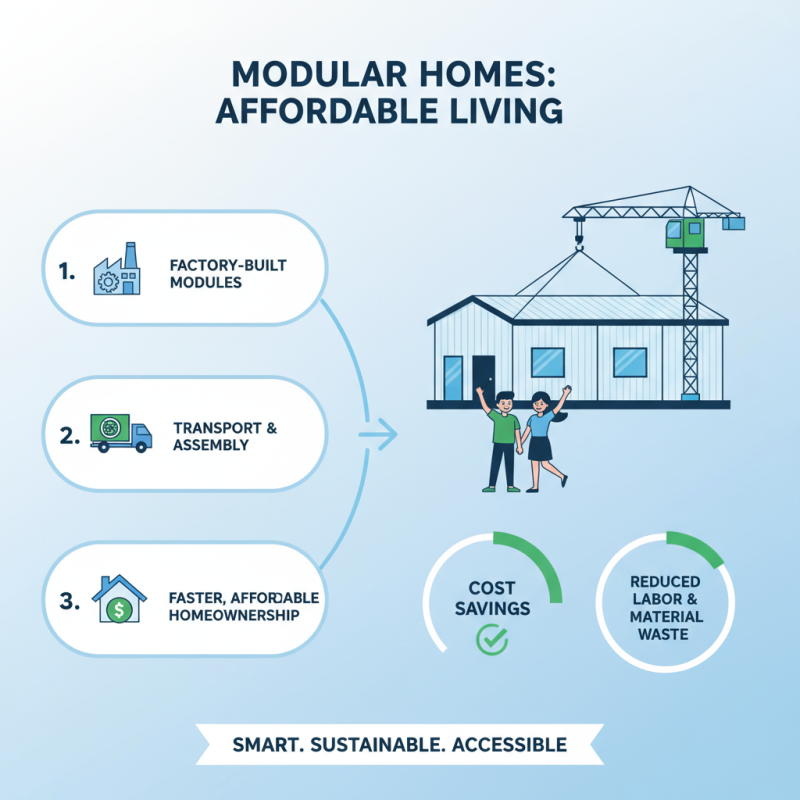
These homes are built in sections—known as modules—off-site and then transported to their final location, where they are assembled. This unique construction method significantly reduces waste and time compared to traditional building techniques. Modular homes are customizable, catering to diverse lifestyle preferences and budgets, making them an attractive option for first-time buyers, retirees, and anyone seeking a more economical way to own a home. As communities continue to seek solutions to housing challenges, the role of modular homes in shaping affordable living becomes increasingly important.
What is a Modular Home? Definition and Characteristics
Modular homes are a modern solution to the rising demand for affordable and sustainable living options. Defined as structures built in sections or "modules" within a controlled factory environment, these homes are transported to their final site for assembly. Unlike traditional site-built homes, modular homes can be constructed significantly faster, often reducing the build time by 30% to 50%. According to the Modular Building Institute, this efficiency is due to the simultaneous processes of manufacturing modules and preparing the site, which result in lower labor costs and reduced material waste.
In terms of characteristics, modular homes are not only quick to build, but they also offer flexibility in design. Buyers can select from a wide range of floor plans and interior finishes, making customizations easier and more affordable. These homes are constructed to meet or exceed local building codes, ensuring safety and quality. A report by the National Association of Home Builders indicates that modular homes typically cost 10% to 20% less than conventional homes, making them a practical option for first-time homebuyers or those looking to downsize. Additionally, many modular homes are designed with energy efficiency in mind, which can lead to significant savings on utility bills over time. Thus, modular homes represent a viable pathway to homeownership that aligns with both budgetary constraints and environmental considerations.
What is a Modular Home and How Does it Work for Affordable Living
| Characteristic |
Description |
Benefits |
| Construction Method |
Built in a factory and assembled on-site. |
Reduced construction time and cost. |
| Customization |
Available in various styles and layouts. |
Homeowners can tailor their living space to their needs. |
| Cost Efficiency |
Generally more affordable than traditional homes. |
Ideal for budget-conscious buyers. |
| Energy Efficiency |
Designed with energy-efficient materials. |
Lower utility bills and environmental impact. |
| Speed of Construction |
Completion typically in a few months. |
Quick move-in option for homeowners. |
| Quality Control |
Manufactured in controlled environments. |
Higher consistency in quality compared to site-built homes. |
The Construction Process of Modular Homes: Step by Step
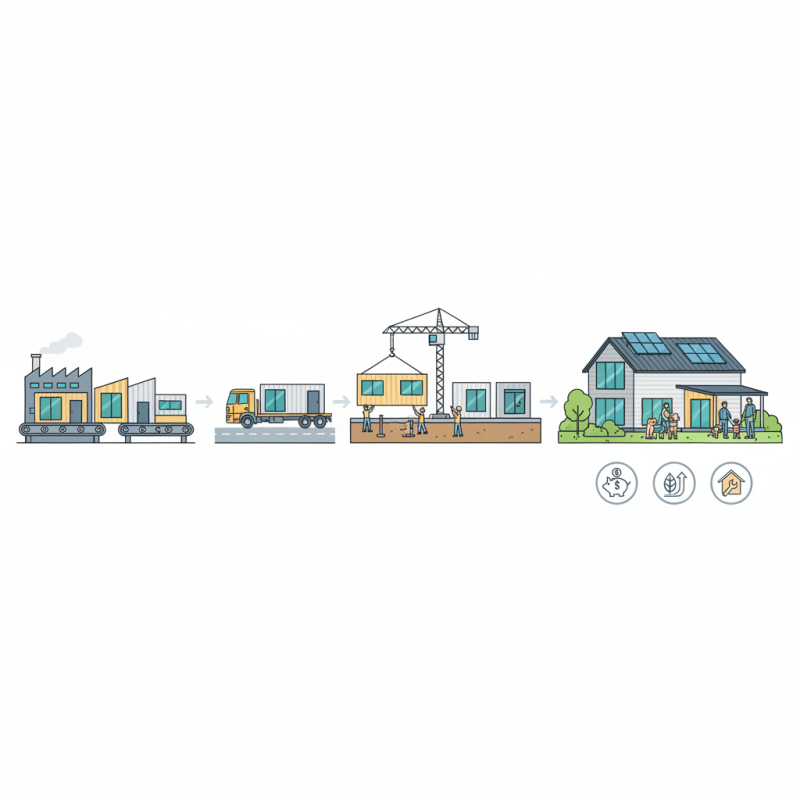
The construction process of modular homes is designed to be efficient and systematic, resulting in high-quality structures while minimizing waste and construction time. It begins in a factory setting, where materials are gathered and assembled into sections or modules. This controlled environment allows for consistent quality checks and reduces weather-related delays. Each module is built to local building codes, ensuring safety and compliance from the very start.
Once the modules are completed, they are transported to the home site. This step involves careful logistics to ensure that each section arrives safely and on schedule. Upon arrival, the modules are lifted into place using cranes, and the assembly process begins. Skilled workers join the modules together, connecting utilities and finalizing the interior details. This streamlined process enables modular homes to be completed in a fraction of the time compared to traditional construction methods, making them an appealing option for affordable living without compromising on quality or design.
Modular Home Construction Process: Key Stages
Advantages of Modular Homes for Affordable Living Options
Modular homes have emerged as a viable solution for those seeking affordable living options. These homes are built in sections, or "modules," in a factory setting before being transported to the building site for assembly. This method not only streamlines construction but also reduces costs associated with labor and materials. As a result, individuals and families can enjoy the benefits of homeownership without breaking the bank.
One of the primary advantages of modular homes is their flexibility in design. Buyers can customize layouts and finishes to suit their personal style while still maintaining budget constraints. Additionally, the energy efficiency of modular homes often surpasses that of traditional homes, translating to lower utility bills over time. This combination of affordability and customization makes them an attractive choice for many.
**Tip:** When considering a modular home, evaluate different builders to find one that offers a variety of styles and materials. Conduct thorough research on the energy efficiency ratings to ensure long-term savings.
Furthermore, modular homes can often be constructed more quickly than conventional homes, allowing you to move into your new space sooner. This expedited process means less waiting and more time enjoying your new environment.
**Tip:** Explore financing options specifically designed for modular homes, as many lenders have programs that cater to this type of construction, making the purchase process smoother and more accessible.
Cost Comparison: Modular Homes vs. Traditional Housing
When considering affordable living options, the cost comparison between modular homes and traditional housing reveals significant differences. Modular homes are typically built in a factory setting and then transported to the site for assembly. This streamlined construction process can lead to cost savings, as it minimizes labor expenses and reduces the time required for project completion. As a result, modular homes often come with a lower price tag than their traditional counterparts, making them an attractive option for budget-conscious buyers.
In addition to initial purchase costs, potential homeowners should also consider long-term financial implications. Modular homes often boast energy-efficient designs and materials, leading to reduced utility bills over time. Conversely, traditional homes may incur higher ongoing maintenance costs due to their conventional construction materials and the possibility of greater wear over time. Furthermore, the rapid construction of modular homes can allow homeowners to enter the market more quickly, potentially saving on property taxes and other fees associated with prolonged construction timelines. Overall, understanding these cost dynamics helps prospective buyers make informed decisions in their quest for affordable living solutions.
Common Misconceptions About Modular Homes Explained
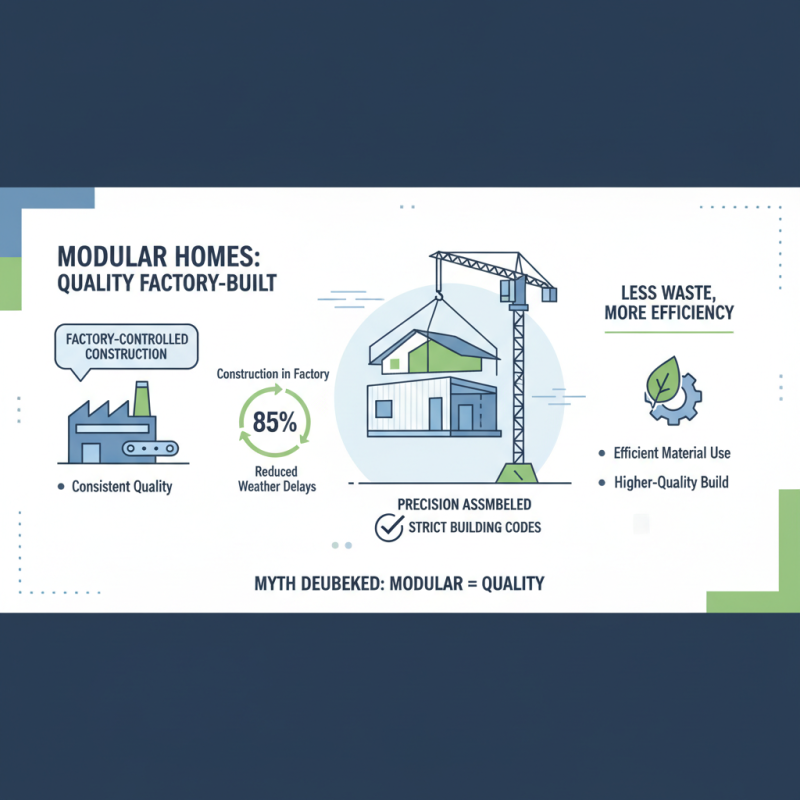
One of the most common misconceptions about modular homes is that they are of lower quality than traditional site-built homes. In reality, modular homes are constructed in a factory-controlled environment, ensuring consistent quality and adherence to strict building codes. According to the Modular Building Institute, about 85% of the construction process occurs in a factory, which reduces exposure to weather-related delays and allows for efficient use of materials. This leads to less waste and can result in a higher quality build, as factory-built components are often assembled with greater precision.
Another frequent myth is that modular homes are not customizable. Contrary to this belief, many manufacturers offer a wide range of floor plans and design options that can be tailored to meet the individual needs of homeowners. A report from the National Association of Home Builders indicates that approximately 80% of prospective buyers are open to the idea of modular construction, largely due to the flexibility it offers. Buyers can select everything from layouts to finishes, ensuring their home reflects their personal style and preferences, all while maintaining affordability in the housing market. This customizable aspect not only caters to different tastes but also helps in making modular homes an attractive option for those seeking sustainable and cost-effective living solutions.