What is a Dome House and Why are They Popular?
In recent years, the concept of the Dome House has gained significant attention. Expert architect Sarah Johnson states, “Dome Houses reduce material waste and energy consumption.” This innovative design resonates with eco-conscious individuals. The unique shape offers excellent energy efficiency. Many are drawn to the idea of living in a structure that is both sustainable and visually striking.
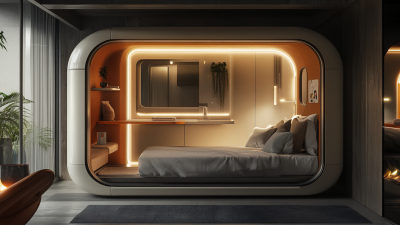
Dome Houses often provide an open interior space, allowing for creative layouts. The curvature creates an inviting atmosphere. However, some find that the unconventional shape poses challenges in furnishing and decorating. This lack of traditional walls can be frustrating for some homeowners. Nonetheless, the allure of minimalism and natural light is compelling.
As people seek alternative lifestyles, Dome Houses are becoming popular. They invite a sense of community and harmony with nature. Yet, one must consider the practical aspects of living in such structures. Many wonder if the Dome House can truly meet everyday needs. This exploration highlights both the advantages and the challenges of embracing this unique architectural style.

What is a Dome House? Definition and Key Characteristics
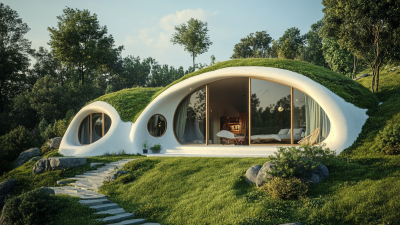
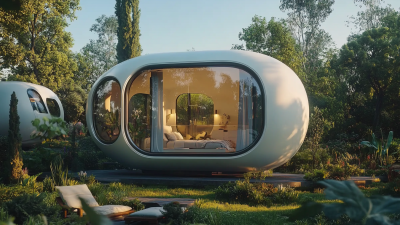
Dome houses are unique architectural structures known for their curved and spherical shapes. This design can be traced back to natural forms found in nature, like igloos and beehives. A dome house typically consists of a shell made from materials like concrete, wood, or even geodesic panels. These homes are well-insulated due to their shape, which helps regulate temperature effectively.
According to industry reports, dome houses can use up to 50% less energy than conventional homes. This energy efficiency is one reason they are gaining popularity. They are also less susceptible to extreme weather conditions, which provides a sense of security. Reports indicate that buyers are increasingly interested in eco-friendly living, and dome houses fit this trend well.
Despite their benefits, dome houses can pose challenges. The unconventional shape may not appeal to everyone. Interior layouts can be tricky to design, limiting furniture arrangement. Additionally, finding financing for these homes can be challenging in the traditional housing market. Potential buyers must weigh these factors when considering a dome house.
Historical Context: The Origins of Dome Houses Through the Ages
Dome houses have a rich history that dates back thousands of years. They were found in ancient cultures like the Romans and Native Americans. These structures often served as shelters that were both practical and aesthetic. The rounded shape helps in withstanding harsh weather. This design has proven durable over time.
In the 20th century, architects embraced dome houses for their energy efficiency. Geodesic domes became popular after World War II. They were seen as a solution to affordable housing crises. However, not everyone appreciated this trend. Some find dome houses impractical for everyday living. There are challenges in furniture arrangement and interior design.
Today, dome houses attract eco-conscious individuals. Their unique shapes draw attention. Yet, some might wonder if the allure is purely aesthetic. Not all locales are suitable for such structures. Local building codes can create obstacles. The history of dome houses teaches us about adaptability and innovation. Each dome has a story, unseen yet powerful.
What is a Dome House and Why are They Popular? - Historical Context: The Origins of Dome Houses Through the Ages
| Period |
Region |
Key Features |
Cultural Significance |
Modern Use |
| Ancient |
Middle East |
Use of local materials, thick walls |
Local community hubs, often used for gatherings |
Recreated in modern designs for sustainability |
| Medieval |
Europe |
Stone or earthen domes, fortifications |
Symbol of protection and resilience |
Historical renovations for cultural heritage |
| Modern |
Global |
Geodesic structures, eco-friendly materials |
Promoting sustainable living and energy efficiency |
Popular for eco-homes and unique architecture |
| Contemporary |
North America |
Prefabricated kits, modern amenities |
Symbol of innovation in housing |
Increasingly popular for alternative living |
Key Benefits: Energy Efficiency and Environmental Impact Statistics
Dome houses are gaining popularity for their unique structure and benefits. One key advantage is energy efficiency. According to the U.S. Department of Energy, dome-shaped structures can reduce energy costs by 50% or more compared to traditional homes. Their aerodynamic shape allows wind and snow to glide off easily, reducing wear and tear. This can lead to lower heating and cooling demands.
In addition to energy savings, dome houses have a notably small environmental footprint. A report from the Sustainable Building Coalition indicates that these homes use fewer lumber resources, reducing deforestation rates. Furthermore, the natural insulation properties of dome designs can limit the need for additional heating systems. This means less reliance on fossil fuels, which is important as we confront climate change. The growing interest in alternative housing reflects a desire to create sustainable living environments.
Despite these benefits, challenges remain. Some people find dome houses less conventional and may hesitate to invest. Resale value can also be unpredictable. Not every community embraces the dome style, creating roadblocks for potential homeowners. Overall, while dome houses offer numerous advantages, it’s crucial to weigh personal preferences and local regulations before proceeding.
Dome House Energy Efficiency and Environmental Impact
Dome House Designs: Popular Styles and Architectural Variations
Dome houses have gained popularity due to their unique architectural designs and energy efficiency. These structures, often resembling igloos, offer a variety of styles. One popular design is the geodesic dome, known for its efficient use of materials. According to a 2021 report by the Green Building Council, dome houses can use up to 40% less material than traditional homes. This not only lowers costs but also reduces environmental impact.
Another variation is the monolithic dome. This design features a single, continuous shell, making it highly resistant to extreme weather. Studies suggest that these homes can withstand high winds and snow loads better than conventional structures. However, some homeowners struggle with insulation methods, which can be challenging. Effective insulation is crucial for maintaining comfortable indoor temperatures.
Despite their benefits, dome houses can present design dilemmas. Interior layout can be tricky due to curved walls. This often leads to inefficient use of space. Many owners find that standard furniture does not fit well in these homes. Inadequate planning can result in less functional living areas. Understanding these challenges is essential for anyone considering a dome house.
Market Trends: The Rise of Dome Houses in Modern Housing Solutions
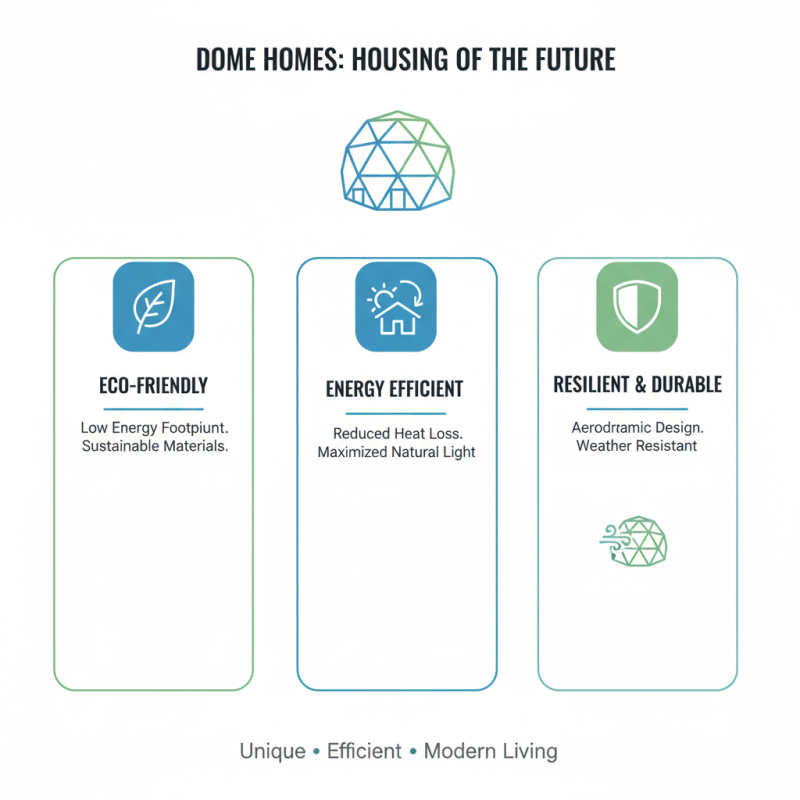
Dome houses are gaining traction as modern housing solutions, captivating a diverse audience. Their unique structure offers several benefits that traditional homes cannot match. They are energy-efficient and environmentally friendly. The curved design minimizes heat loss and maximizes natural light. Many homeowners are drawn to these aspects in an era of rising energy costs.
The appeal of dome houses extends beyond their practicality. They often stand out in suburban neighborhoods, creating an artistic aesthetic. This shapes a growing movement that values sustainability and creativity. However, challenges remain. Not everyone is familiar with dome living. Some may hesitate to make such a bold choice. The interior layouts can be tricky to design.
As more people become aware of the benefits, interest is likely to rise. The trend may reflect a shift in priorities. Homeowners seek simplicity and resilience. They aim for homes that intertwine with nature. The popularity of dome houses signals a longing for innovative living, even if it requires some adjustment and rethinking of conventional housing norms.