How to Build a Dome House in 2026 for Sustainable Living?
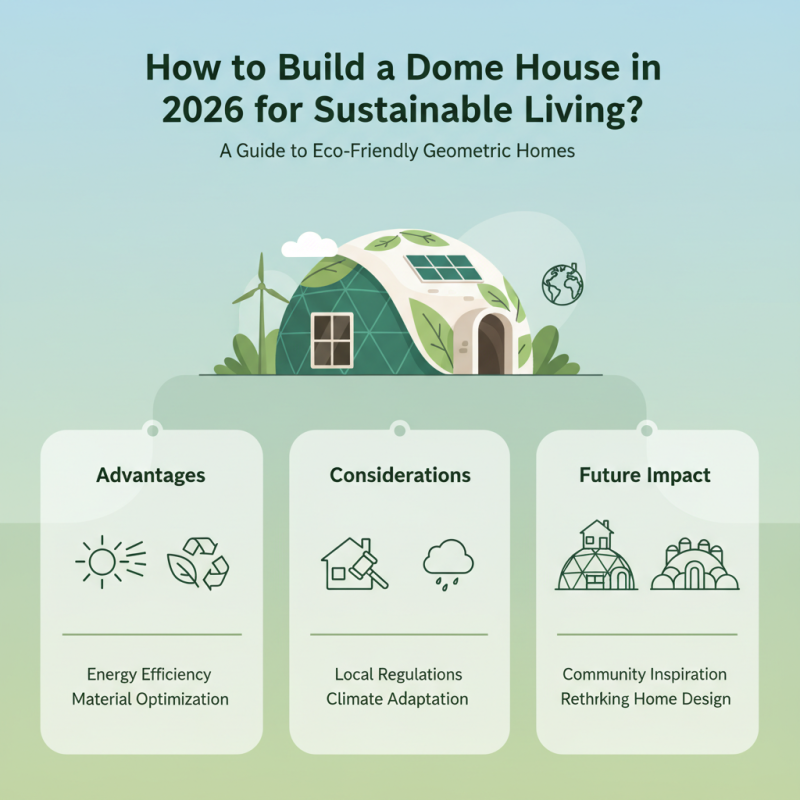
In the quest for sustainable living, the concept of a Dome House is gaining traction. Experts in the field, like architect David Easton, advocate for this innovative approach. He once stated, "Dome Houses offer unique advantages for energy efficiency and environmental harmony." These structures, shaped like half-spheres, are not just visually appealing; they are practical, too.
Building a Dome House in 2026 presents unique challenges and opportunities. The design maximizes natural light and minimizes material waste, making it eco-friendly. However, potential builders must consider local regulations and climate impacts. Sourcing sustainable materials can also be tricky.
As we move towards sustainable futures, the Dome House symbolizes the shift in thinking required for modern living. Embracing this style can inspire communities. Yet it calls for reflection. Are we ready to change long-held perspectives on home design and construction? Each Dome House built is a chance to rethink our relationship with the environment.
Planning the Design and Structure of a Dome House
Building a dome house can be an exciting venture that promotes sustainable living. When planning the design and structure of a dome house, consider the shape. A dome's curved surface allows for better wind resistance, reducing the risk of damage during storms. Research indicates that dome structures can save up to 50% on energy costs due to their efficient airflow.
The material choice also plays a crucial role. Using local and recycled materials can significantly lower your carbon footprint. Reports from the Sustainable Building Research Institute suggest that using earth-based materials can enhance insulation, keeping homes warm in winter and cool in summer. However, sourcing these materials may pose challenges. Finding reliable suppliers can be time-consuming and frustrating.
It's essential to consider the layout. A well-planned interior maximizes space and promotes efficient energy use. Experts suggest that incorporating natural light reduces the reliance on artificial lighting, leading to additional savings. One might ponder whether a minimalist approach could make your space feel cramped. Balancing aesthetics and functionality is key, but it often requires reevaluation during the design process. This fluidity can lead to unexpected, yet beneficial, adjustments in overall design.
Selecting Sustainable Materials for Your Dome Construction
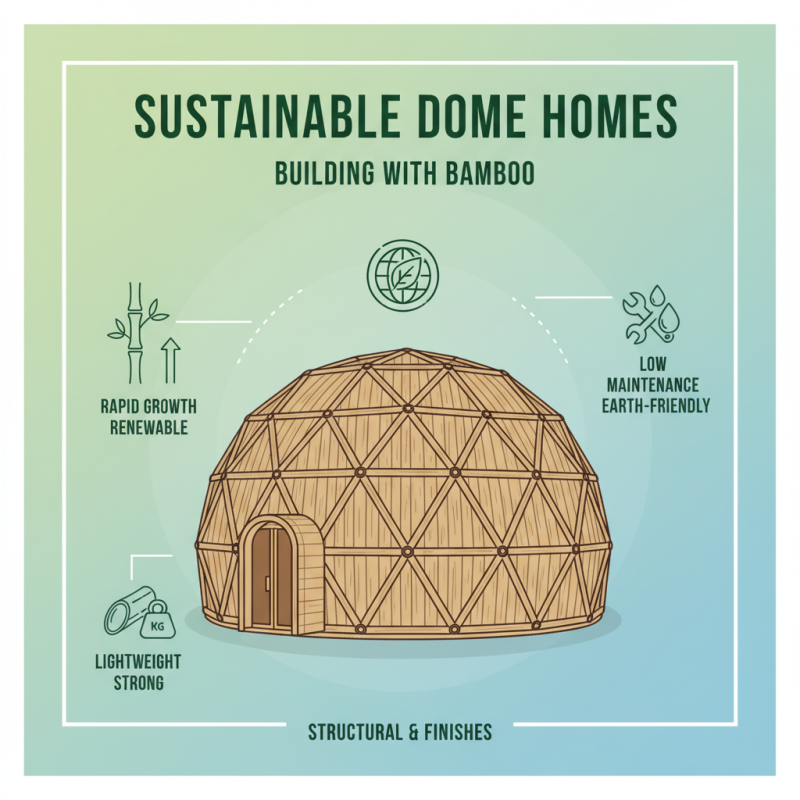
When building a dome house, selecting sustainable materials is crucial. Earth-friendly options can enhance your living space. Bamboo is lightweight, strong, and renewable. It grows quickly and requires little maintenance. Consider using it for structural elements and finishes.
Recycled steel is another great option. It is durable and can withstand harsh weather. Using steel reduces waste and supports a circular economy. Reclaimed wood, sourced from old buildings, adds warmth and character. This material often comes with a unique story. It is essential to check its condition and treat it properly.
Reflect on insulation materials too. Natural wool offers excellent thermal performance. It is biodegradable and minimizes energy needs. However, ensure you are not allergic to it. The thought of creating a sustainable dome is inspiring, but choosing the right materials needs careful consideration. Keep an open mind and weigh your options. Each choice impacts the environment and your comfort.
Step-by-Step Construction Process for Building a Dome House
Building a dome house for sustainable living requires careful planning and execution. Begin by choosing suitable materials. Research indicates that natural materials, like earth and wood, can reduce the carbon footprint significantly. Flexible construction techniques are crucial. They allow the dome house to withstand harsh weather while minimizing damage.
Next, focus on the design phase. Software tools can help create accurate blueprints. This step is vital. A well-thought-out design maximizes natural light and ventilation. Incorporating passive solar heating is essential, but it's not a fix-all solution. Some designs can lead to overheating in summer months. Evaluating local climate conditions is necessary.
During construction, pay attention to insulation. The Energy Efficiency and Renewable Energy Office suggests a well-insulated dome can cut energy bills by up to 50%. However, insulation materials may vary in eco-friendliness. Using recycled materials can be a mixed bag. They often provide benefits, but quality may vary. Monitor costs closely and adapt your approach as needed. Building a dome house isn’t just about the vision; it requires constant reflection and adjustment.
Incorporating Renewable Energy Solutions in Your Dome Home
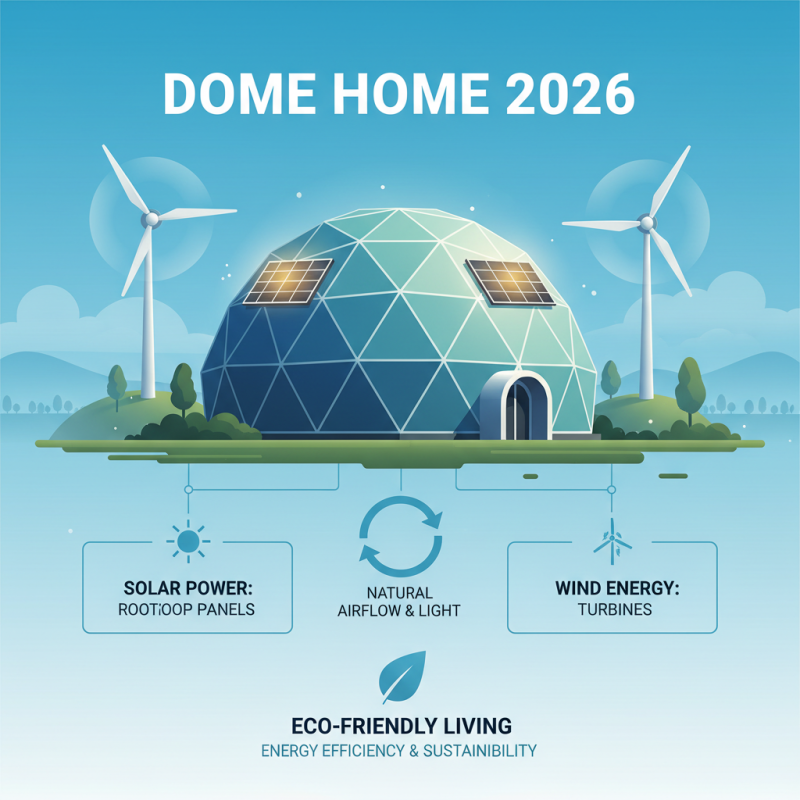
Building a dome house in 2026 can be an exciting opportunity for sustainable living. The unique shape of a dome offers excellent energy efficiency. The design maximizes natural light and promotes air circulation. To enhance sustainability, integrating renewable energy solutions is essential. Solar panels can be installed on the dome's surface, capturing sunlight throughout the day. Wind turbines nearby can harness wind energy, providing additional power.
Rainwater harvesting systems are another crucial element. Collecting rainwater from the dome's structure helps with irrigation or household use. Choosing energy-efficient appliances will further reduce electricity consumption. However, managing energy use requires ongoing effort. Homeowners may need to adjust habits to maintain efficiency.
Despite these advantages, challenges exist. Sourcing sustainable materials for construction can be difficult. Some options may be too expensive or hard to find in certain areas. It’s important to research and weigh the pros and cons of each material. Additionally, maximizing insulation in the dome can be tricky. The dome's curves may complicate standard insulation techniques, leading to potential energy loss. Embracing these complexities is part of the journey toward creating a sustainable dome home.
Creating an Eco-Friendly Landscape Around Your Dome Structure
Creating an eco-friendly landscape around your dome house is essential for sustainable living. This landscape not only enhances aesthetics but also supports biodiversity. According to a report by the World Wildlife Fund, urban green spaces can improve local air quality by up to 25%. This is particularly important as air pollution levels rise in cities.
When planning your landscape, consider native plants. They require less water and are more resilient to local pests. Incorporate a variety of species to attract pollinators, like bees and butterflies. A diverse ecosystem around your dome will help maintain balance.
Tip: Create garden beds that use permaculture principles. Layering plants enhances soil health and reduces the need for fertilizers. Also, utilizing rainwater collection systems can alleviate irrigation woes.
Consider adding features like a small pond or a compost area. These not only recycle nutrients but also create habitats for wildlife. Reflect on your choices and their environmental impacts. Each element should serve a purpose, whether it's shade, food, or beauty. Remember, imperfections are part of nature. Embrace them, and let your landscape evolve naturally.
Eco-Friendly Materials for Dome House Construction in 2026