Best Sand Molding Process Techniques for Quality Casting?
In the realm of casting, the "sand molding process" stands out as a pivotal technique. According to Robert Marks, a renowned expert in metal casting, “The quality of a casting largely depends on the sand mold used.” This statement underlines the critical link between mold quality and casting outcomes.
The effectiveness of a sand molding process is influenced by various factors. For instance, the type and quality of sand play a vital role. Using high-grade sand can enhance mold strength and detail. However, not all foundries select the right materials, leading to defects. Moreover, temperature control during pouring is often overlooked, which can result in uneven cooling and distortion.
Many operations struggle with consistency. A slight variation in the molding technique can lead to significant quality discrepancies. Thus, continuous reflection and improvement in the sand molding process are essential. Each casting provides an opportunity for learning. Recognizing these challenges is the first step towards achieving optimal casting quality.
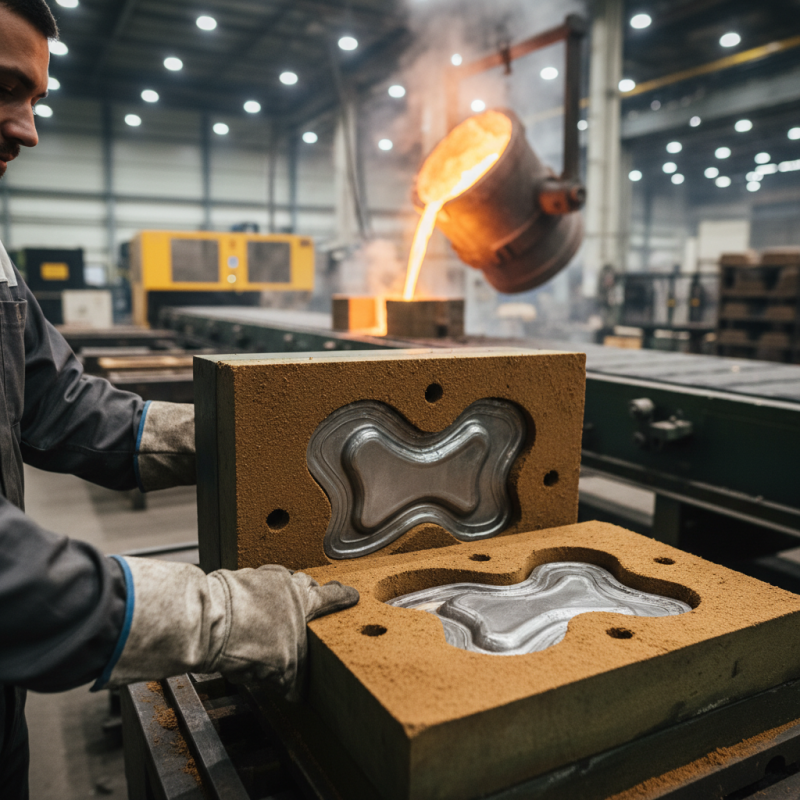
Overview of Sand Molding Process in Quality Casting Techniques
The sand molding process is a fundamental technique in quality casting. This method involves creating a mold from sand, which is then filled with molten metal. According to industry reports, roughly 70% of all castings are produced using sand molds. This highlights its significance in manufacturing.
One common challenge in sand molding is ensuring uniformity in the sand mixture. Variations can lead to defects in castings, resulting in increased rejection rates. Inadequate compaction can create weak spots. Precise control of moisture content is crucial. A mix that is too dry or too wet affects the final product's quality.
Tips: Keep your sand mixture consistent. Test moisture levels regularly. Also, invest in quality control to reduce defects.
Moreover, the type of sand matters. Silica sand is commonly used due to its availability and properties. However, it’s not without issues. Air permeability can affect the cooling of molten metal. This can lead to warping or shrinkage in castings. Be aware of the trade-offs when choosing materials.
Tips: Evaluate the performance of different sand types. Experiment to find the optimal blend for your specific casting needs. Use monitoring tools to ensure you’re on the right track.
Best Sand Molding Process Techniques for Quality Casting
This bar chart illustrates the production efficiency of various sand molding techniques used in quality casting. Green sand shows the highest efficiency, followed by shell molding and air set sand, while lost foam performs the lowest in terms of efficiency.
Types of Sand Used in Molding and Their Impact on Casting Quality
Sand selection is critical in the molding process. Different types of sand offer unique properties. Silica sand is the most common choice. It provides high durability and stability during casting. However, its fine particles can lead to defects if not managed properly. Consider using clay-bonded sands, which add strength to the mold. Yet, these can also cause increased shrinkage.
Another option is oil-based sand, which can produce smoother surfaces. Still, it might introduce complexities in disposal and environmental impact. Each sand type impacts the final casting quality. Testing and adjusting the mixture is often necessary. Achieving the right balance can be challenging. Excessive moisture in sand can lead to steam issues during pouring.
Moreover, different applications demand specific sand types. An automotive component may require different properties than an artistic casting. Understanding these variations is key. Proper preparation of the sand mixture can help prevent common mistakes. Each technique has its pros and cons. Assessing these factors thoroughly can be the difference between a successful mold and one that fails. Adjust and adapt as needed.
Steps Involved in the Sand Molding Process for Optimal Results
In the sand molding process, proper technique is crucial for achieving quality casting. The first step involves preparing the sand mixture. Typically, a blend of silica sand, clay, and water is used. According to the American Foundry Society, an ideal sand mixture contains about 5% clay. This balance ensures good cohesiveness and prevents cracks in the mold.
After the mixture is prepared, the next step is molding. The sand must be packed firmly into a mold box to create a cavity for casting. Consistency in packing is vital. Any unevenness can lead to defects in the final product. Studies indicate that a density of 1.67 g/cm³ optimizes the strength of the mold. Attention to these details can significantly influence the outcome.
Once the mold is formed, it needs to be dried properly. Damp sand can lead to shrinkage and distortion during the pouring phase. Some practitioners overlook drying time, risking compromised quality. After drying, the mold is ready for metal pouring, but even the pouring technique can affect results. An uneven pour can create imperfections. Continuous reflection and evaluation at each step ensure improved outcomes in future castings. Quality control should always be a priority.
Common Defects in Sand Molding and How to Prevent Them
In the sand molding process, common defects can significantly impact the quality of the final casting. Many manufacturers deal with issues like sand swelling, mold cracking, and gas porosity. These defects not only lead to a waste of materials but also affect production timelines. They can arise from improper mixture ratios or insufficient drying times.
To prevent defects, it’s essential to monitor the sand moisture content closely. A moisture content that is too high can lead to gas porosity. Maintaining the right balance helps create a solid mold. Additionally, ensure that molds are properly vented. Without adequate vents, gases may become trapped, causing unwanted pitting.
Tips: Start small. Test different sand mixtures to find the ideal composition. Regularly inspect molds for cracks or inconsistencies before use. Lastly, always keep a keen eye on environmental conditions. Wind and humidity can impact drying times. Reflecting on these variables can help improve casting quality.
Advancements in Sand Molding Techniques for Enhanced Casting Performance
The advancements in sand molding techniques have significantly enhanced casting performance across various industries. A recent report from the World Foundry Organization indicated that innovative sand materials can improve the surface finish of castings by up to 30%. This improvement directly correlates with better mechanical properties, boosting durability and functionality.
Moreover, the introduction of digital technologies in sand molding has streamlined the process. 3D printing of sand molds allows for complex geometries that traditional methods cannot achieve. According to the American Foundry Society, this technique reduces waste by approximately 40%. However, not all facilities have adopted these methods effectively. Training and investment are necessary, yet many companies delay these crucial steps.
Silica sand remains a staple in molding processes, but alternatives are emerging. Recent tests show that ceramic sands can withstand higher temperatures, making them ideal for demanding applications. Yet, the cost remains a barrier. Many foundries struggle to balance quality and budget, highlighting the need for ongoing research and development.