
Leave Your Message
News

News

2026 Best Modular Homes for Modern Living and Sustainability?

The quest for sustainable living continues to evolve, and Modular Homes are at the forefront of this movement. These innovative structures offer flexibility and efficiency, making them ideal for modern lifestyles. They provide an eco-friendly alternative to traditional housing, which often consumes more resources.

In recent years, the demand for Modular Homes has surged. Homebuyers are increasingly seeking designs that marry aesthetics with functionality. Many people appreciate the quick construction times and lower energy costs tied to modular designs. However, misconceptions about their quality persist. Critics often view modular homes as inferior, but advancements in technology challenge those views.

As we explore the best Modular Homes of 2026, we must also reflect on our choices. Are we truly maximizing sustainability? Are we overlooking vital aspects in our quest for modern living? The answers may guide our future decisions, shaping a more sustainable world through better housing solutions.
2026 Best Modular Homes for Modern Living and Sustainability?

2026 Modular Homes: Overview of Trends in Modern Living and Sustainability
2026 Best Modular Homes for Modern Living and Sustainability?

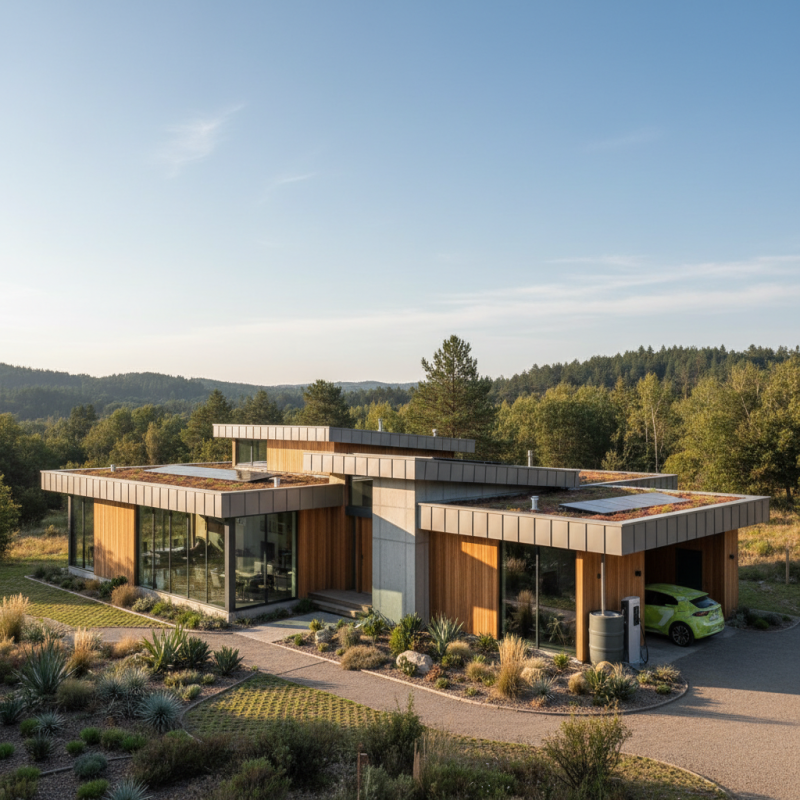
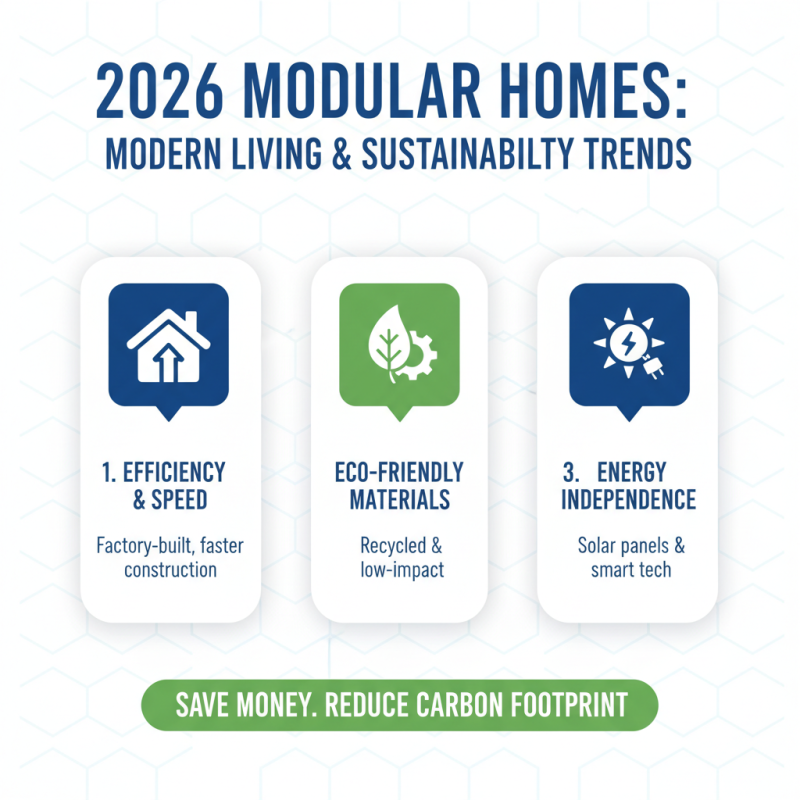
The trend toward modular homes is gaining momentum in 2026. These homes are designed for efficiency and sustainability. They use materials that reduce environmental impact. Many modular homes incorporate energy-efficient technologies, like solar panels. This allows homeowners to save on utility bills while reducing their carbon footprint.

Sustainability in modular living goes beyond energy efficiency. Many designs prioritize natural light and efficient space usage. Features like green roofs and rainwater collection systems promote a sustainable lifestyle. Yet, issues remain. Not all modular homes are truly affordable, and location can impact sustainability benefits.

Community planning is also critical. A scattering of modular homes in an area doesn’t guarantee sustainability. Cohesive design and energy sources are essential. Homeowners need to engage with their communities. When they do, modular living can fulfill its promise for modern, sustainable living.
Key Features of Sustainable Modular Home Design for Future Living

Sustainable modular homes are designed with various features that prioritize eco-friendliness and efficiency. One important aspect is the use of sustainable materials. Builders can select recycled or locally sourced materials. This practice reduces transportation emissions and supports local economies. Every choice matters in minimizing a home's carbon footprint.

Energy efficiency is another critical factor in modern modular home design. Many homes come equipped with solar panels. This generates clean energy and lowers utility bills. Additionally, proper insulation helps maintain temperature, which minimizes heating and cooling needs. Window placement and the use of energy-efficient appliances should also be considered. These elements work together harmoniously.

Water conservation techniques are often incorporated into design plans. Rainwater harvesting systems can be installed for irrigation. Low-flow fixtures are effective in reducing water usage. However, relying on technology alone may overlook the human element. Sustainable living requires conscious choices from homeowners as well. Thoughtful habits can enhance the positive impacts of these modern designs.

2026 Best Modular Homes for Modern Living and Sustainability - Key Features of Sustainable Modular Home Design for Future Living
Feature Description Average Cost Impact ($) Energy Efficiency Rating (HERS Index) Typical Construction Time (weeks) Environmental Benefit
Passive Solar Design Homes oriented and designed to maximize natural solar heating and daylighting. +3,000 35 10 Reduces fossil fuel heating needs by up to 40%
High-Performance Insulation Use of advanced insulation materials (spray foam, rigid foam) to reduce thermal transfer. +5,000 25 8 Improves energy retention, lowering heating and cooling consumption
Renewable Energy Integration Solar panel arrays and/or small-scale wind turbines integrated into the home design. +15,000 5 (near net-zero) 12 Generates clean onsite electricity, reducing grid dependency
Modular Efficient Layout Optimized floor plans that minimize unused space while maximizing functionality. +1,000 35 6 Reduces material waste and energy usage for heating/cooling
Water Efficiency Systems Rainwater harvesting, low-flow fixtures, and greywater recycling built-in. +2,500 30 9 Reduces water consumption by up to 50%
Eco-Friendly Materials Use of recycled, rapidly renewable, or low-VOC materials for healthier indoor air and sustainability. +4,000 28 10 Reduces embodied carbon footprint and improves indoor air quality
Smart Home Automation Systems to optimize energy use like programmable thermostats and smart lighting. +1,500 22 7 Enhances energy savings by adaptive control and user engagement

Case Studies: Top 2026 Modular Homes Achieving Energy Efficiency Standards

2026 Best Modular Homes for Modern Living and Sustainability?

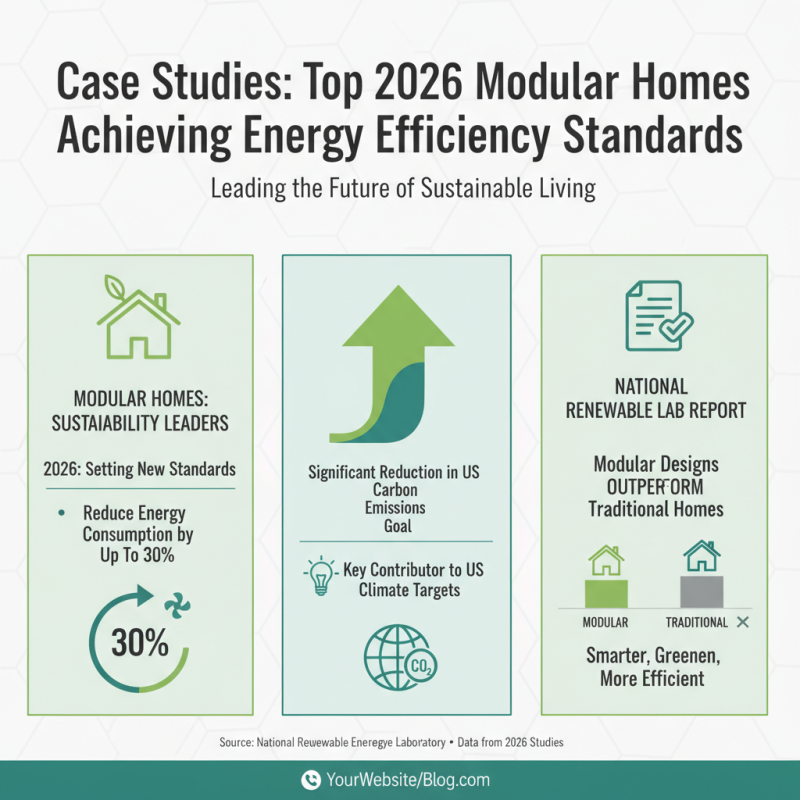
In 2026, modular homes are leading in sustainability. Recent studies show that they can reduce energy consumption by up to 30%. This is significant as the U.S. aims to reduce carbon emissions. A National Renewable Energy Laboratory report indicates that energy-efficient modular designs often surpass traditional homes.

Case studies showcase innovative materials and technologies used in these homes. They utilize insulated panels and solar energy systems. These features enhance energy efficiency and lower utility costs. However, not all homes achieve optimal performance. Many factors, like site location and local climate, affect energy efficiency outcomes.

While modular homes offer numerous advantages, the industry faces challenges. The need for skilled labor remains critical for implementation. Additionally, some homeowners report issues with construction quality. Addressing these reflections is essential for future growth and sustainability in modular housing. Through persistent efforts and research, the potential for a greener, more efficient future continues to expand.

Market Analysis: Growth of Modular Homes in Sustainable Housing Sector

The modular home market is rapidly growing, driven by the demand for sustainable living. With increasing environmental awareness, many are looking for eco-friendly housing solutions. Modular homes present a unique opportunity. They minimize waste during construction by using prefabricated components. This method reduces carbon footprints. In 2026, sustainability will be a top priority for homebuyers.

However, challenges remain in the integration of green technologies. Many modular home manufacturers are still adjusting to the needs of eco-conscious consumers. The perception of quality also varies. Some buyers worry that prefabricated homes lack durability. This hesitation can stall decisions. Efforts must focus on offering robust designs that meet sustainability standards without compromising on quality.

Sustainable modular homes can be energy-efficient and cost-effective. They often come with smart features that reduce utility costs. Yet, education is key in dispelling myths around modular living. Increasing awareness can bridge the gap between perception and reality. This shift will be essential for further market growth. The future of sustainable housing may well lie in modular innovations.

Technological Innovations Transforming Modular Home Construction Practices

The modular home industry is evolving rapidly, driven by technological advancements. One notable shift is the use of Building Information Modeling (BIM). BIM allows for precise planning and design, minimizing waste during construction. According to a report from McKinsey, this can reduce costs by 10% to 20%. Efficiency is key in modern modular homes.

3D printing technology is also making waves. It enables the creation of custom components faster and cheaper. This innovation can cut construction time by 50% or more, a significant reduction compared to traditional building methods. A study from the National Association of Home Builders (NAHB) highlights that sustainability is increasingly demanded by buyers.

Despite these advancements, challenges persist. The integration of new technologies requires skilled labor. There is a notable talent gap in the construction industry, which can slow adoption. Additionally, some consumers remain skeptical about the quality and durability of modular homes. Balancing innovation with traditional construction values is crucial for broader acceptance. Addressing these concerns will be key in shaping the future of modular living.