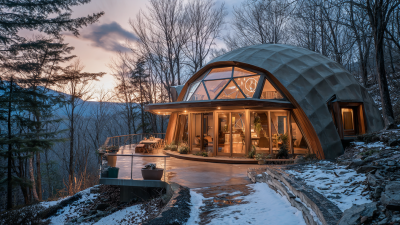
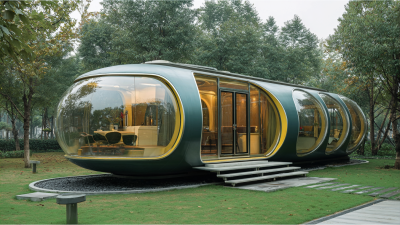
Discover the Benefits of Living in a Dome House in 2025
In recent years, the concept of sustainable living has garnered significant attention, and one architectural innovation that has emerged on the forefront of eco-friendly design is the Dome House. As we approach 2025, the benefits of living in a Dome House are becoming increasingly evident, prompting a shift in how we think about our living spaces. This unique architectural form not only offers a visually striking alternative to conventional housing but also provides a myriad of advantages that align with modern environmental and lifestyle needs.
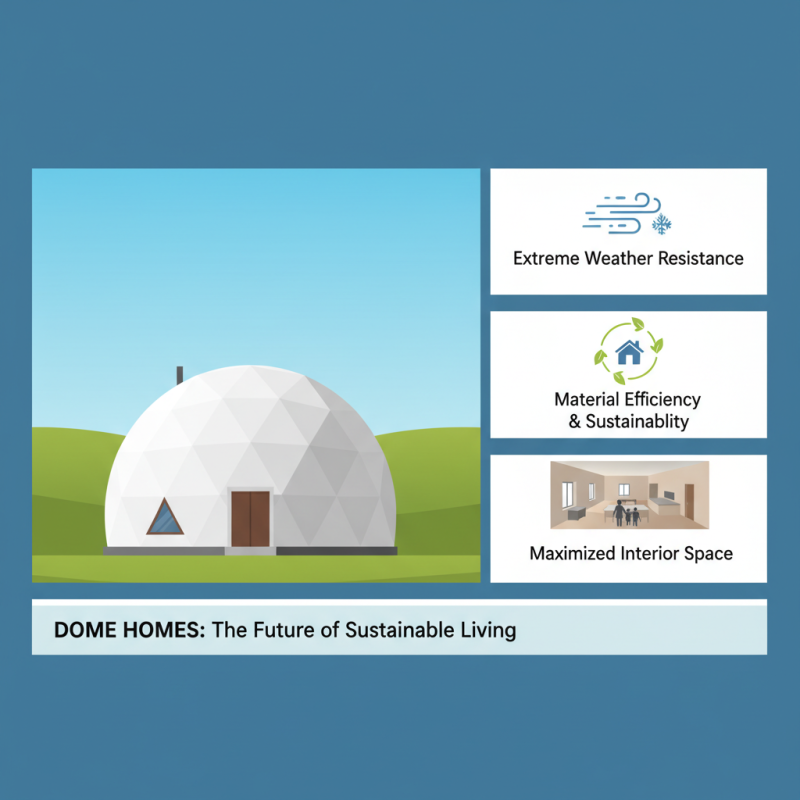
Dome Houses are constructed using efficient materials and design techniques that maximize both energy efficiency and structural integrity. Their aerodynamic shape minimizes resistance to wind and weather, enhancing durability while reducing heating and cooling costs. Additionally, the spacious, open interiors foster a sense of freedom and creativity, making them ideal for individuals and families seeking a harmonious and flexible living environment. As we explore the numerous benefits of living in a Dome House, it becomes clear that this innovative housing solution represents a forward-thinking approach to sustainable living in the years to come.

Benefits of Dome Houses: An Overview
Dome houses are gaining traction as a sustainable and innovative living option in 2025, mainly due to their unique architectural design and numerous benefits. One of the key advantages of dome houses is their energy efficiency. According to a study by the National Renewable Energy Laboratory, structures with geodesic domes can reduce energy consumption by up to 50% compared to traditional homes. This is primarily because their aerodynamic shape minimizes heat loss in winter and reduces cooling costs in summer, making them an attractive choice for eco-conscious homeowners.
Additionally, dome houses offer enhanced durability and lower maintenance needs. The rounded design distributes stress evenly, allowing them to withstand extreme weather conditions such as high winds and heavy snowfall. A report from the International Council for Research and Innovation in Building and Construction highlights that dome structures have a lifespan that can exceed 50 years, significantly reducing the need for frequent repairs and replacements. This longevity not only provides peace of mind to homeowners but also contributes to long-term cost savings, making dome living a financially savvy choice for many.
Energy Efficiency in Dome House Design
In 2025, dome houses are gaining recognition for their impressive energy efficiency, marking a significant advancement in sustainable living. The unique geometric shape of a dome minimizes surface area while maximizing interior space, which inherently reduces the amount of building material needed. This design feature not only lowers construction costs but also ensures that heat and energy are conserved more effectively than in traditional rectangular homes. The streamlined structure allows for superior airflow, which enhances natural ventilation, thereby decreasing the reliance on artificial heating and cooling systems.
Moreover, dome houses can be constructed with eco-friendly materials and advanced insulation techniques that further enhance energy conservation. Many dome designs incorporate renewable energy systems, such as solar panels and wind turbines, allowing homeowners to harness the power of nature to meet their energy needs. This self-sustaining approach not only reduces utility bills but also minimizes the carbon footprint, contributing to a more sustainable lifestyle. As energy costs continue to rise, the dome house's inherent design and adaptability make it an attractive option for environmentally conscious individuals seeking to innovate their living spaces in harmony with nature.
Sustainability and Environmental Impact of Dome Living
Living in a dome house presents a unique combination of sustainability and reduced environmental impact, particularly in the context of modern ecological challenges. Recent reports from the World Green Building Council emphasize that buildings contribute to approximately 39% of global carbon emissions, making the choice of living structure critical. Dome houses, with their aerodynamic shapes, are inherently more energy-efficient, improving insulation and reducing the need for excessive heating or cooling. Studies reveal that they can utilize up to 50% less energy compared to traditional homes, directly contributing to lower carbon footprints.
Moreover, dome houses are often constructed using environmentally friendly materials. A recent survey conducted by the International Institute for Sustainability indicates that sustainable building practices, including the use of recycled and natural materials, can significantly reduce environmental degradation. Dome structures, often built from earth-friendly components like straw bales, rammed earth, or recycled steel, minimize waste and promote a Circular Economy, aligning tightly with global sustainability goals. Furthermore, their compact design not only limits land use but also encourages efficient resource management, essential in the face of rapid urban expansion and climate change concerns. This innovative living option represents a forward-thinking approach to achieve a greener future while enhancing personal comfort and reducing ecological footprints.
Discover the Benefits of Living in a Dome House in 2025 - Sustainability and Environmental Impact of Dome Living
| Benefit |
Description |
Environmental Impact |
Cost Efficiency |
| Energy Efficiency |
Dome houses maintain steady temperatures, reducing heating and cooling costs. |
Lower energy consumption leads to reduced carbon footprint. |
Savings of up to 50% on energy bills. |
| Sustainable Materials |
Often built from recycled or eco-friendly materials, promoting sustainability. |
Reduces waste and encourages responsible sourcing of construction materials. |
Lower costs due to use of readily available local materials. |
| Natural Disaster Resilience |
Aerodynamic shape helps withstand strong winds and heavy snow. |
Fewer materials are needed for repairs after storms, reducing waste. |
Reduces insurance costs due to decreased risk of damage. |
| Maximized Space |
Efficient use of space with no wasted corners, providing more usable area. |
Encourages minimalistic living, leading to less consumption. |
Less need for extensive materials and furnishings. |
| Community and Environment |
Dome communities encourage a sense of togetherness and shared resources. |
Less urban sprawl due to communal living and shared resources. |
Reduces individual costs through shared amenities. |
Innovative Architecture: The Structure of Dome Homes
Dome homes have garnered significant attention in recent years, particularly for their unique architecture and remarkable structural benefits. Unlike traditional rectangular houses, dome structures utilize geodesic principles, allowing them to distribute stress evenly across their surfaces. This design minimizes the use of building materials while maximizing the interior space, creating an efficient and sustainable living environment. With their aerodynamic shape, dome houses can withstand severe weather conditions, including high winds and heavy snowfall, making them an ideal choice for various climates.
The innovative architecture of dome homes also promotes energy efficiency. The rounded structure reduces heat loss in winter and keeps interiors cooler in summer, leading to a reduced need for heating and cooling systems. Additionally, the natural flow of the shape enhances ventilation, contributing to better indoor air quality. Many dome homes can be built using eco-friendly materials, aligning with modern sustainable living practices. This marriage of aesthetics and functionality not only supports environmentally-conscious living but also provides residents with a unique and harmonious living space that stands apart from conventional homes.
Community and Lifestyle: Living in Dome Neighborhoods
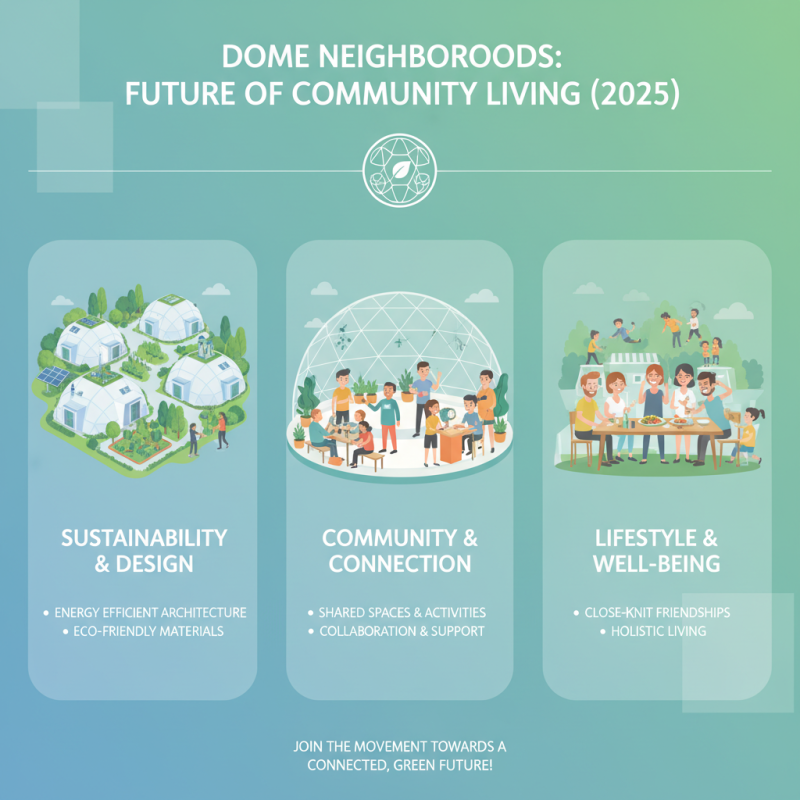
Living in dome neighborhoods in 2025 offers a unique blend of community and lifestyle that encourages collaboration and connection among residents. The architectural design of dome houses not only promotes energy efficiency and sustainability but also fosters a sense of belonging. These neighborhoods are often planned with communal spaces that encourage social interaction, allowing residents to engage in various activities together, from community gardening to shared workshops. This close-knit environment creates opportunities for neighbors to support one another, cultivating lasting friendships and a strong communal spirit.
In addition to the physical structure, the lifestyle within dome neighborhoods is characterized by a focus on wellness and sustainable living. Residents typically share a commitment to environmentally friendly practices, such as renewable energy use and local sourcing of food. This shared ethos leads to the formation of groups that engage in initiatives like eco-friendly workshops and health-focused events. As people come together to learn and grow, the bonds of community deepen, making each dome neighborhood not just a place to live, but a place to thrive. This lifestyle emphasizes mindfully connecting with both nature and fellow residents, which enhances the overall quality of life.