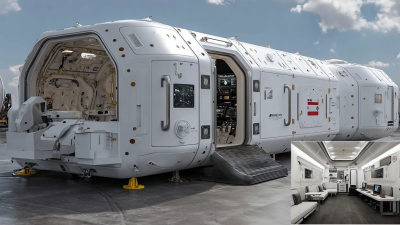
Why Choose a Prefabricated House? Benefits and Advantages Explained!
In recent years, the concept of the "Prefabricated House" has gained significant traction in the building industry, offering innovative solutions for modern living. Prefabricated houses, constructed off-site and then transported to their final location, come with numerous benefits that appeal to a wide range of homeowners. As the demand for eco-friendly building practices and cost-effective housing solutions grows, prefabricated houses emerge as a compelling alternative to traditional construction methods.
One of the primary advantages of prefabricated houses is their efficiency. With a streamlined construction process that reduces time on site, these homes can be erected much faster than conventional houses. Additionally, advancements in technology and design mean that prefabricated houses are increasingly customizable, allowing homeowners to create a space that meets their unique needs and preferences. Furthermore, the sustainability aspect of prefabricated homes cannot be overlooked, as they often utilize less material and produce less waste compared to traditional building methods.
In this article, we will delve deeper into the various benefits and advantages of choosing a prefabricated house, exploring how this modern approach to home building can provide not only a stylish and functional space but also a lasting and environmentally-friendly solution for a diverse spectrum of homeowners.

Overview of Prefabricated Houses and Their Growing Popularity
Prefabricated houses, often referred to as prefab homes, are becoming increasingly popular in modern housing solutions. This rise in interest can be attributed to several factors, including efficiency, sustainability, and cost-effectiveness. Prefabricated homes are constructed in factory settings and then transported to their final location for assembly, reducing the time and labor required compared to traditional on-site building methods. As urbanization accelerates and housing demands grow, the appeal of these homes as a viable alternative is evident.
The growing popularity of prefabricated houses is also linked to their customization options, allowing homeowners to tailor their living spaces to suit personal preferences and needs. With advances in technology and design, these homes can be equipped with contemporary amenities and energy-efficient features, making them not only stylish but also environmentally friendly. Furthermore, as more people seek flexible living arrangements, prefab homes offer a practical solution that accommodates various lifestyles, from tiny homes to larger family residences. As the housing market evolves, the increasing acceptance of prefabricated homes highlights their potential to reshape the future of construction and design.
Key Benefits of Choosing a Prefabricated House for Homeowners
Choosing a prefabricated house offers numerous benefits for homeowners seeking efficiency, affordability, and eco-friendliness. One of the primary advantages is the reduced construction time. Unlike traditional homes, which can take months or even years to complete, prefabricated houses are built off-site and assembled on location. This streamlined process means homeowners can move into their new residences much faster, minimizing the disruption to their lives.
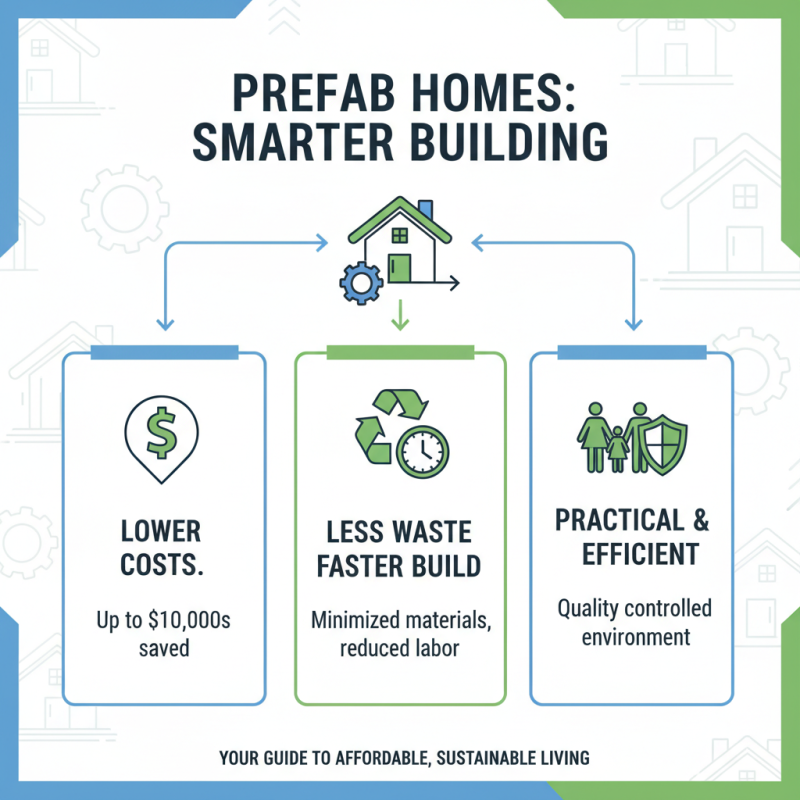
Another compelling benefit is the cost-effectiveness of prefabricated homes. These structures often come at a lower price point due to the economies of scale in manufacturing and reduced labor costs. Homeowners can save significantly on both construction and utility expenses, as many prefabricated models are designed with energy efficiency in mind. This not only lowers monthly bills but also promotes a sustainable lifestyle, making prefabricated houses an attractive choice for environmentally conscious buyers.
Advantages of Prefabricated Houses
Cost Efficiency: How Prefabricated Houses Save You Money
Prefabricated houses have gained popularity for their cost efficiency and practicality. One of the most significant advantages of this building method is the notable reduction in construction costs. Since prefabricated homes are built in controlled environments, this minimizes waste and optimizes resource management. Labor costs are also lower, as the construction time is significantly reduced due to the streamlined assembly processes. Homebuyers can often save tens of thousands of dollars when choosing a prefabricated option over traditional builds.
Tips for maximizing your savings include researching local regulations and zoning laws to avoid unexpected costs during construction. Additionally, consider opting for energy-efficient designs that not only save money upfront but also reduce long-term utility expenses. When selecting a design, keeping the layout simple can further decrease costs while ensuring you get the most out of your investment.
Moreover, prefabricated houses often come with built-in sustainability features that enhance their value. This not only appeals to environmentally conscious buyers but also enables significant discounts on insurance and property taxes. By choosing energy-efficient materials and technologies, you can achieve long-term savings that make building a prefabricated home a financially sound choice.
Time-Saving Advantages of Prefabricated Construction
Prefabricated houses have gained significant attention in recent years, primarily due to their time-saving advantages. The construction process of a prefabricated home involves creating building components in a factory setting before transporting them to the site for assembly. This not only streamlines the building timeline but also reduces weather-related delays, often resulting in completion times that are significantly shorter than traditional construction methods. Homeowners can move into their new living space in a fraction of the time, which is especially appealing for those looking to settle down quickly.
When considering a prefabricated home, it's essential to keep in mind a few tips to maximize efficiency. First, ensure that you have a clear understanding of your design preferences and specifications before the manufacturing starts. This will help minimize changes during construction, which can lead to delays. Secondly, choose a reliable contractor who has experience with prefabrication, as their expertise will play a crucial role in ensuring a smooth assembly process. Lastly, consider the logistics of transportation to your site, as planning ahead can further expedite the overall timeline.
The benefits of prefabricated homes go beyond time savings; they can also lead to reduced labor costs due to the efficiency of the factory approach. With less time spent on-site, you can save money while still achieving high-quality construction standards. Overall, opting for a prefabricated home can be a smart choice for those who value speed and efficiency in their building project.
Environmental Impact: Sustainability of Prefabricated Housing Solutions
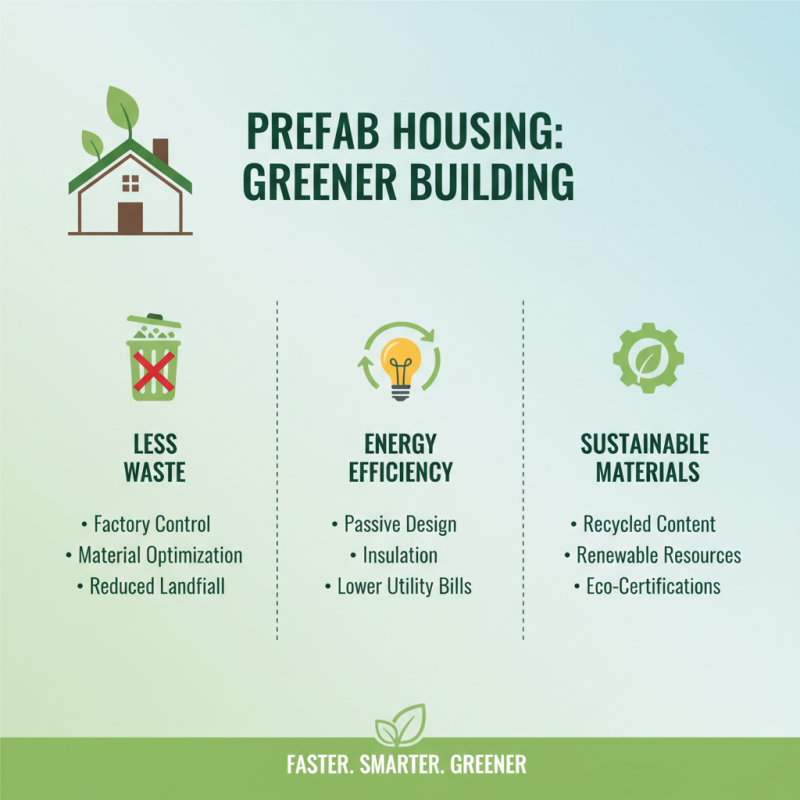
Prefabricated houses are gaining popularity not just for their cost-effectiveness and efficient construction timelines, but also for their positive environmental impact. One of the main advantages of prefabricated housing solutions is their ability to minimize waste. Since these homes are built in controlled factory settings, the materials can be carefully managed, reducing excess byproducts that typically arise from traditional on-site construction methods. This lean manufacturing approach contributes to a significant decrease in landfill waste.
In addition, prefabricated houses often utilize sustainable materials and energy-efficient designs. Many manufacturers prioritize eco-friendly resources, such as recycled or rapidly renewable materials, which not only reduce harm to the environment but also promote healthier living spaces. The energy efficiency of these homes can lead to lower utility bills and a reduced carbon footprint over time, making them an attractive choice for environmentally conscious consumers.
Tip: When considering a prefabricated home, research the materials and construction practices of the builder. Look for companies that emphasize sustainability in their design processes.
Another key benefit of prefabricated homes is their potential for energy independence. Many designs incorporate renewable energy sources, such as solar panels, which can greatly enhance sustainability and lower reliance on non-renewable energy. As more people become aware of their environmental impact, prefabricated housing solutions are emerging as a viable option for sustainable living.
Tip: Explore options for integrating renewable energy solutions in your prefabricated design to maximize energy efficiency and sustainability.